
Change management is the system for safe updates on live sites. Most teams think change management means slow processes or bureaucracy that slows everything down. On live client sites, it means something different. It means safe shipping, reversible changes, and visible progress that keeps production stable.
Why Changes Break and How to Prevent It
Why small changes create big problems and how shared surfaces amplify risk.

Why Small Website Changes Break Live Client Sites
Small edits break live client sites because mobile, forms, links, and tracking are connected. Learn the failure modes and guardrails.

Why Website Changes Break More Often in Client Environments
Website changes don't fail because of tools. They fail because of unclear ownership, shared surfaces, and uncontrolled scope. Learn why.
How to Build Safe Change Workflows
Intake systems, approval workflows, and rollback procedures.

Website Change Management: A Simple System for Agencies
Website change management feels chaotic on client sites. Stop approval loops. Track every change. Roll back fast. Ship safely across clients.

Common Mistakes Agencies Make When Editing Live Websites
Agencies get burned by the same live-edit mistakes: skipping preview, trusting desktop, bundling changes, and shipping without rollback. Fix the patterns.

Agency Website Editing Permissions: A Practical Model
Agency website editing permissions decide how fast you can ship changes without breaking production. Use roles, approvals, and rollback to move safely.
How to Track and Audit Changes
Audit trails, visibility systems, and how to prove progress.
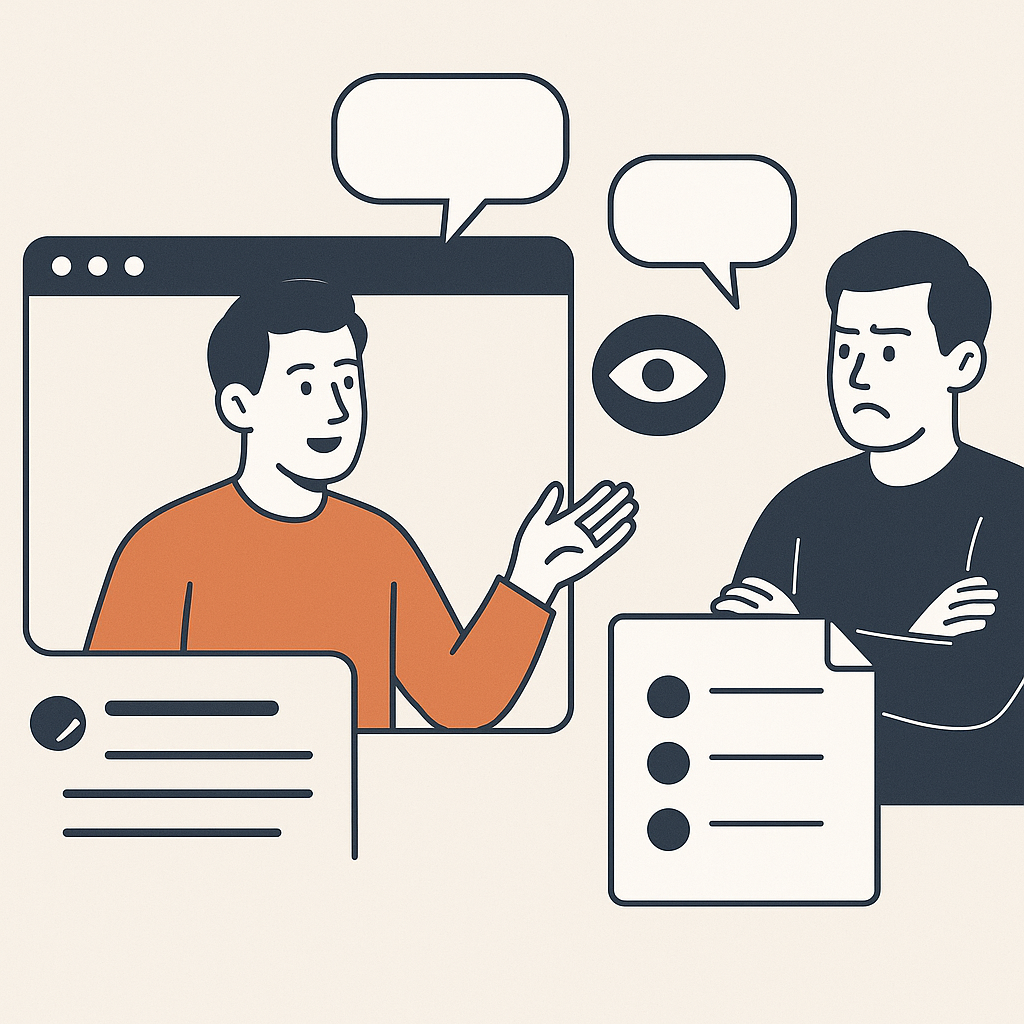
How Agencies Create Visibility Into Live Website Changes
Visibility prevents blame. Use a minimum audit trail and proof artifacts so you can answer 'what changed?' fast and roll back without chaos.
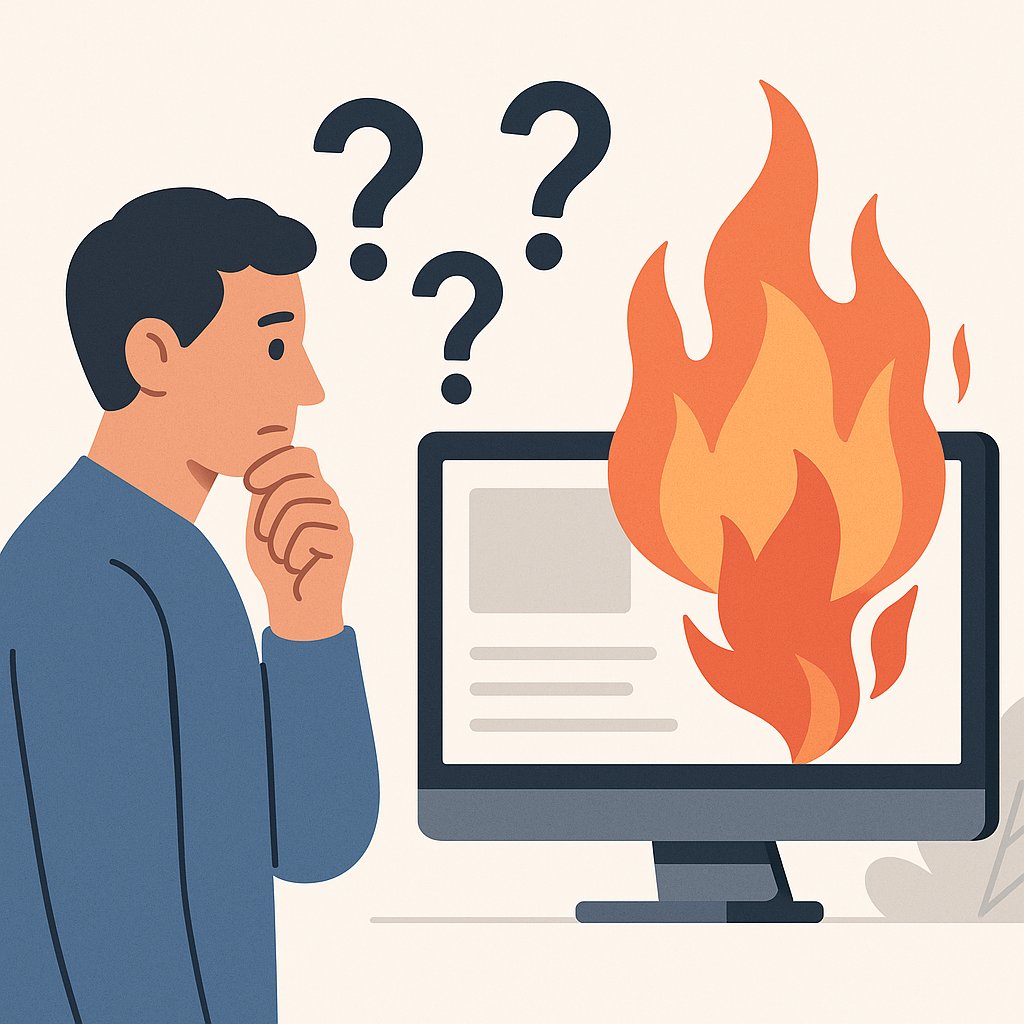
How Agencies Track and Audit Website Changes Across Clients
Track website changes agencies ship across client sites with a simple audit trail. Reduce disputes, speed up rollback, and make progress visible.
What to Do When Changes Go Wrong
Rollback procedures, incident response, and how to restore trust.
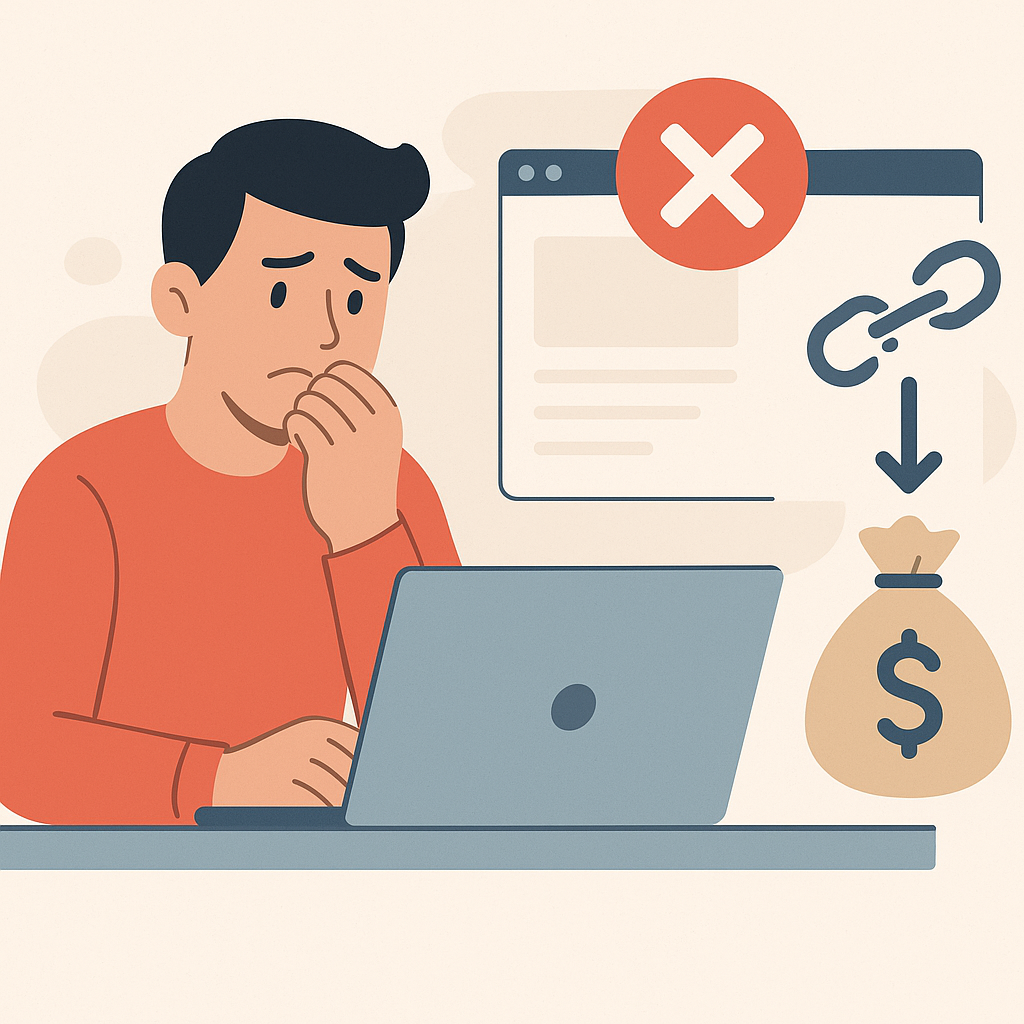
What to Do When a Live Website Change Goes Wrong
When a live change breaks something, don't panic. Roll back first if the money path is broken. Verify the basics. Then ship the smaller fix.
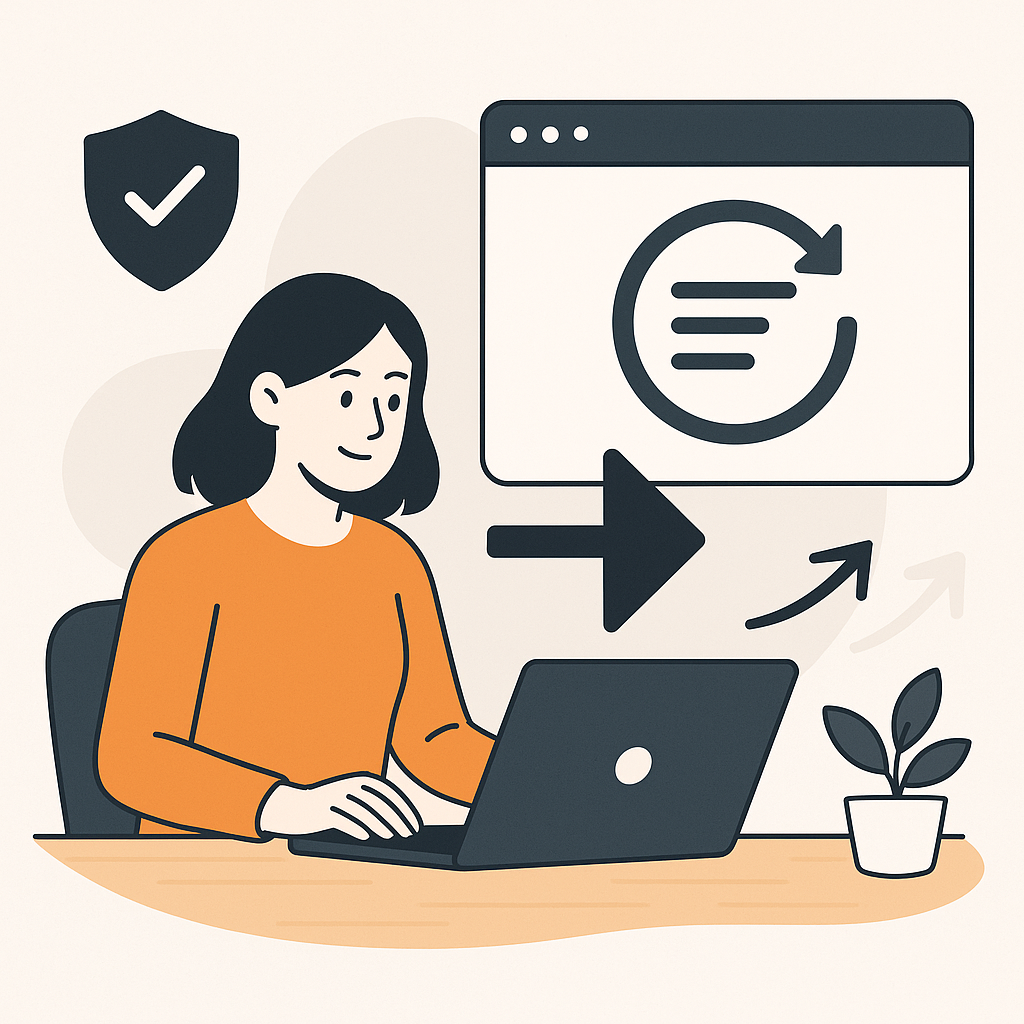
Rollback Website Changes: A Safe Agency Workflow
Rollback website changes fast with a preview → publish → verify → revert workflow. Ship improvements safely on client sites without panic.

When You Should Not Edit a Live Client Website
Knowing when to stop is part of safety. Use clear tests and boundaries so you can ship fast on safe changes and escalate risky ones.
When Agencies Still Need Developers (And When They Don't)
When agencies need developers depends on scope and risk. Use a clear boundary line so you can ship faster without breaking production.
Campaign-Specific Changes and Multi-Client Workflows
Isolated campaign surfaces, multi-client workflows, and editing tools.
Change Website Content for Ads Without Breaking Production
Need ad-specific copy without touching the main page? Learn how agencies change website content for ads while keeping production pages stable and safe.
Edit Live Client Websites Across Multiple Clients
Multi-client editing fails without standards. Use one workflow, one audit trail, and one rollback rule so the same mistakes stop repeating.
Edit Live Client Websites Safely as a Freelancer
When you're solo, live edits feel riskier. Use tighter boundaries, smaller changes, verification, rollback triggers, and proof to stay in control.
Tools for Agencies to Edit Client Websites
Compare tools for agencies to edit client websites using safety-first criteria: preview, permissions, rollback, audit logs, and a low-risk pilot plan.
All Articles
Why Small Website Changes Break Live Client Sites
Small edits break live client sites because mobile, forms, links, and tracking are connected. Learn the failure modes and guardrails.
Why Website Changes Break More Often in Client Environments
Website changes don't fail because of tools. They fail because of unclear ownership, shared surfaces, and uncontrolled scope. Learn why.

How Agencies Prevent Accidental Website Breakage
Prevent breaking client websites by using preview, small releases, a 10-minute verification routine, and fast rollback guardrails.
Website Change Management: A Simple System for Agencies
Website change management feels chaotic on client sites. Stop approval loops. Track every change. Roll back fast. Ship safely across clients.
Common Mistakes Agencies Make When Editing Live Websites
Agencies get burned by the same live-edit mistakes: skipping preview, trusting desktop, bundling changes, and shipping without rollback. Fix the patterns.
Agency Website Editing Permissions: A Practical Model
Agency website editing permissions decide how fast you can ship changes without breaking production. Use roles, approvals, and rollback to move safely.
How Agencies Create Visibility Into Live Website Changes
Visibility prevents blame. Use a minimum audit trail and proof artifacts so you can answer 'what changed?' fast and roll back without chaos.
How Agencies Track and Audit Website Changes Across Clients
Track website changes agencies ship across client sites with a simple audit trail. Reduce disputes, speed up rollback, and make progress visible.
What to Do When a Live Website Change Goes Wrong
When a live change breaks something, don't panic. Roll back first if the money path is broken. Verify the basics. Then ship the smaller fix.
Rollback Website Changes: A Safe Agency Workflow
Rollback website changes fast with a preview → publish → verify → revert workflow. Ship improvements safely on client sites without panic.
When You Should Not Edit a Live Client Website
Knowing when to stop is part of safety. Use clear tests and boundaries so you can ship fast on safe changes and escalate risky ones.
When Agencies Still Need Developers (And When They Don't)
When agencies need developers depends on scope and risk. Use a clear boundary line so you can ship faster without breaking production.
Change Website Content for Ads Without Breaking Production
Need ad-specific copy without touching the main page? Learn how agencies change website content for ads while keeping production pages stable and safe.
Edit Live Client Websites Across Multiple Clients
Multi-client editing fails without standards. Use one workflow, one audit trail, and one rollback rule so the same mistakes stop repeating.
Edit Live Client Websites Safely as a Freelancer
When you're solo, live edits feel riskier. Use tighter boundaries, smaller changes, verification, rollback triggers, and proof to stay in control.
Tools for Agencies to Edit Client Websites
Compare tools for agencies to edit client websites using safety-first criteria: preview, permissions, rollback, audit logs, and a low-risk pilot plan.