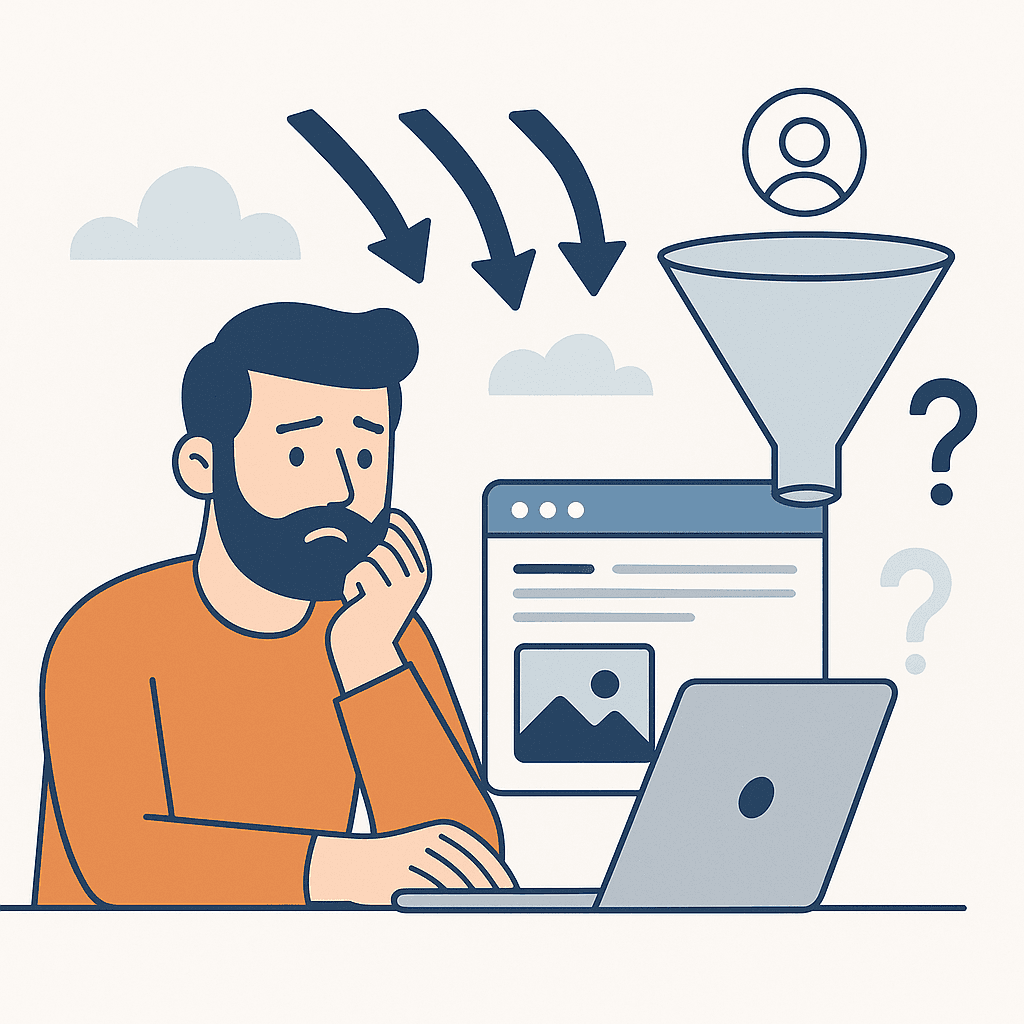
Your blog gets traffic but no leads. The articles rank. People click. Sessions climb every month. And yet the pipeline is quiet. Readers come, consume, and disappear.
The instinct is to publish more. If 10 posts aren't converting, maybe 20 will. Or maybe the problem is the CTA, so you add bigger buttons, more pop-ups, louder offers. None of it works.
That's because the issue isn't volume or visibility. It's progression. Most blog posts create understanding without creating a next decision. The reader leaves informed but unprompted, and that's the structural failure. This is one of the common page-role mistakes that explains why websites get traffic but no leads.
The Pattern: Content Works, the Business Outcome Doesn't

Blog traffic is a vanity win if it doesn't move the business forward. You can have a post that ranks #1, gets thousands of visits a month, and produces exactly zero leads. The content did its job (answered a question). But nothing on the page created momentum toward action.
This is frustrating because everything seems to be working. The content is getting found. People are reading it. Engagement metrics look healthy. But attribution is fuzzy, stakeholders lose patience, and the team wonders if content marketing is worth the effort.
The problem isn't the content. It's what happens after the content.
Why Informational Intent Rarely Converts Directly

Most blog traffic is informational. Visitors aren't shopping. They're learning. They have a question, and your post answered it. That's a win for them. But their intent is satisfied, so they leave.
This is natural behavior, not a failure of persuasion. A visitor who came to understand a concept isn't in buying mode. If the page suddenly asks them to book a demo, it feels mismatched. The ask is too far from the intent.
The solution isn't to remove CTAs or give up on conversion. It's to recognize that informational readers need a bridge, a next step that matches their current stage, not a leap to the final stage.
The Three Blog Failure Modes
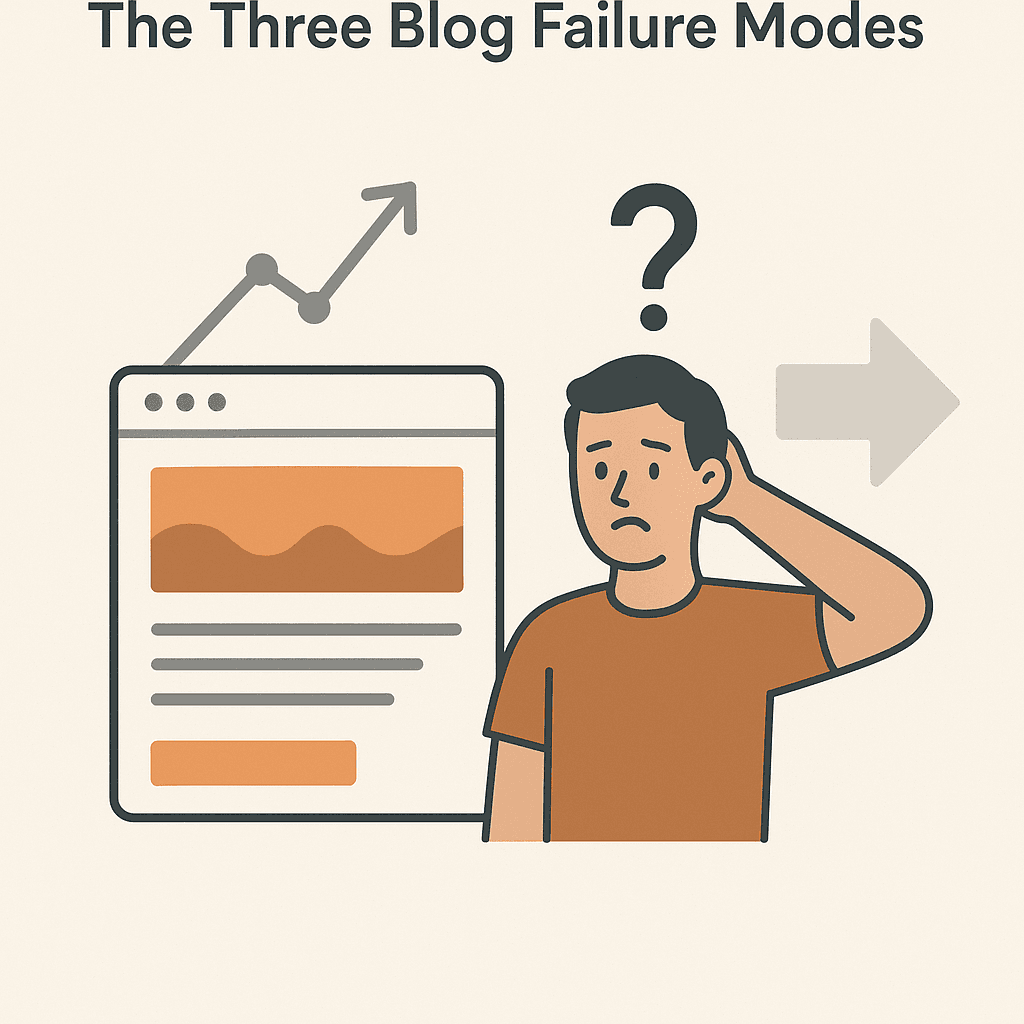
When blogs generate traffic but not leads, the problem usually falls into one of three patterns.
Failure Mode 1: The Post Ends With No Direction
The reader finishes the article. They're satisfied. They learned something. And then nothing. There's no prompt for what to do next. Maybe a generic "subscribe to our newsletter" at the bottom, but nothing that connects to their problem.
This is the most common failure. The post explains well but doesn't guide the reader toward the next decision. They close the tab, move on with their day, and forget where they read it.
The fix: Every post should suggest a next step that makes sense for someone who just finished reading. Not a sales pitch, a logical progression. "Now that you understand this, here's what to explore next."
Failure Mode 2: The CTA Is a Leap
The post explains a concept. The CTA asks for a demo. Those two things are too far apart.
A visitor who just learned what intent mismatch is probably isn't ready to talk to sales. They're still digesting. If the only option is a big commitment, they choose no commitment instead.
The fix: Match the size of the CTA to the intent of the reader. For educational content, the next step should be more education, a related guide, a deeper resource, a tool that helps them apply what they learned. The big ask comes later, when they're further along.
Failure Mode 3: The CTA Solves a Different Problem
The post is about diagnosing conversion problems. The CTA promotes an ebook about email marketing. The reader finished an article about X and is now being pitched on Y.
This happens when teams use the same CTA across all posts regardless of topic. It's efficient for the team but confusing for the reader. The offer doesn't match the problem they just read about, so it feels irrelevant.
The fix: CTAs should connect to the post's topic. If the article is about conversion problems, the next step should be a resource about solving conversion problems. Relevance creates momentum. Mismatch creates friction.
What Progression Looks Like: From Understanding to Action
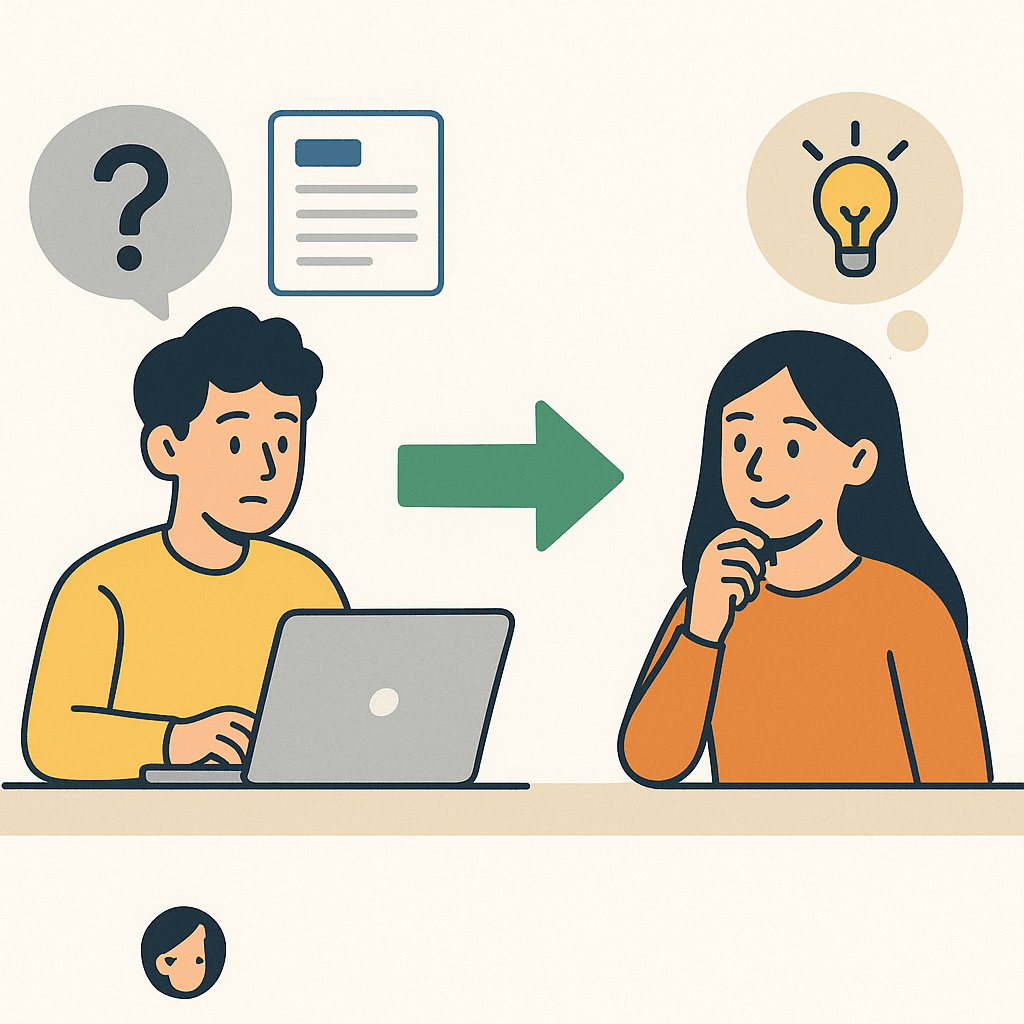
The goal isn't to convert blog readers directly. It's to move them forward, one step at a time.
A good progression model works like this: the article clarifies the cause, then links to a deeper guide. The guide offers a small action step. That action leads to a conversation when the reader is actually ready.
Each step builds on the previous one. By the time the reader reaches the big ask, they've already made several smaller decisions. Momentum compounds.
This is different from trying to close on the first visit. Blog readers aren't usually ready for that. But they might be ready to read another article, download a resource, or try a tool. Those smaller steps create the progression that eventually leads to conversion. For more on adapting content by funnel stage, see our guide.
Getting Started: Build One Progression Path From One High-Traffic Post

Create a progression path from one blog post
- Pick one high-traffic post. Choose a post that gets steady visits but produces no leads.
- Identify the reader's next decision. What would a thoughtful reader naturally want to do or learn after finishing this post?
- Create or identify a matching next step. A related guide, a deeper resource, or a tool that builds on the post's topic.
- Add the link in context. Weave it into the article naturally, not as a pop-up, but as a logical suggestion.
- Measure progression, not just conversion. Track whether readers are moving forward, not just whether they're buying immediately.