Landing pages have been the go-to conversion tool since 2003. But they're designed for one visit per buyer. When visitors don't convert on the first visit, your funnel breaks. You're forced to spend retargeting budget to bring them back.
This article explains why landing pages waste retargeting budget. You'll learn how adaptive personalization solves this problem. We'll show you how to reduce retargeting spend while improving conversions. This is part of a broader pattern where websites get traffic but no leads, and understanding why helps you fix the right layer.
The Landing Page Problem
Traditional landing pages work on a simple premise. They show visitors a focused message. They remove distractions. They convert visitors immediately.
The assumption: Every visitor is ready to buy right now. But what about everyone else?
Consider this scenario:
A visitor clicks through from your paid search campaign. They land on your carefully crafted landing page. But they aren't quite ready to convert.
Maybe they need to do more research. Perhaps they want to compare options. Or they might need time to think it over. They leave without taking action.
Now you have two options:
- Accept the loss and move on
- Spend retargeting budget to bring them back
Most marketers choose option 2. This means you're paying twice for the same visitor. You pay once for the initial click. Then you pay again for the retargeting campaign. This is inefficient and expensive.
The Real Cost of Broken Funnels
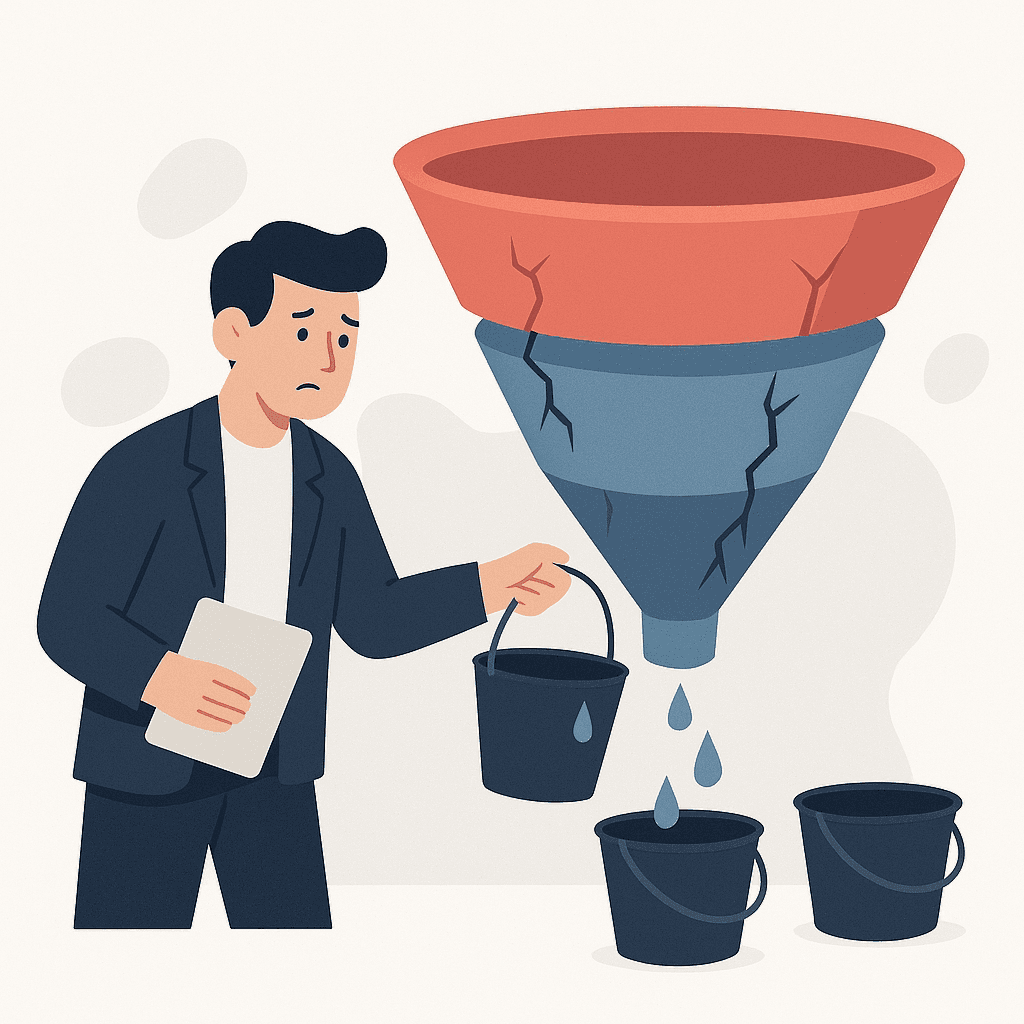
When your landing page doesn't convert a visitor on the first visit, you're losing more than that conversion opportunity. You're creating a leak in your funnel. This leak requires constant patching with retargeting campaigns.
The broken funnel cycle:
This cycle can continue indefinitely. Each iteration costs more money and potentially annoys your potential customers. You're paying multiple times for the same visitor, and they're seeing the same static page every time.
Why Landing Pages Break Your Funnel
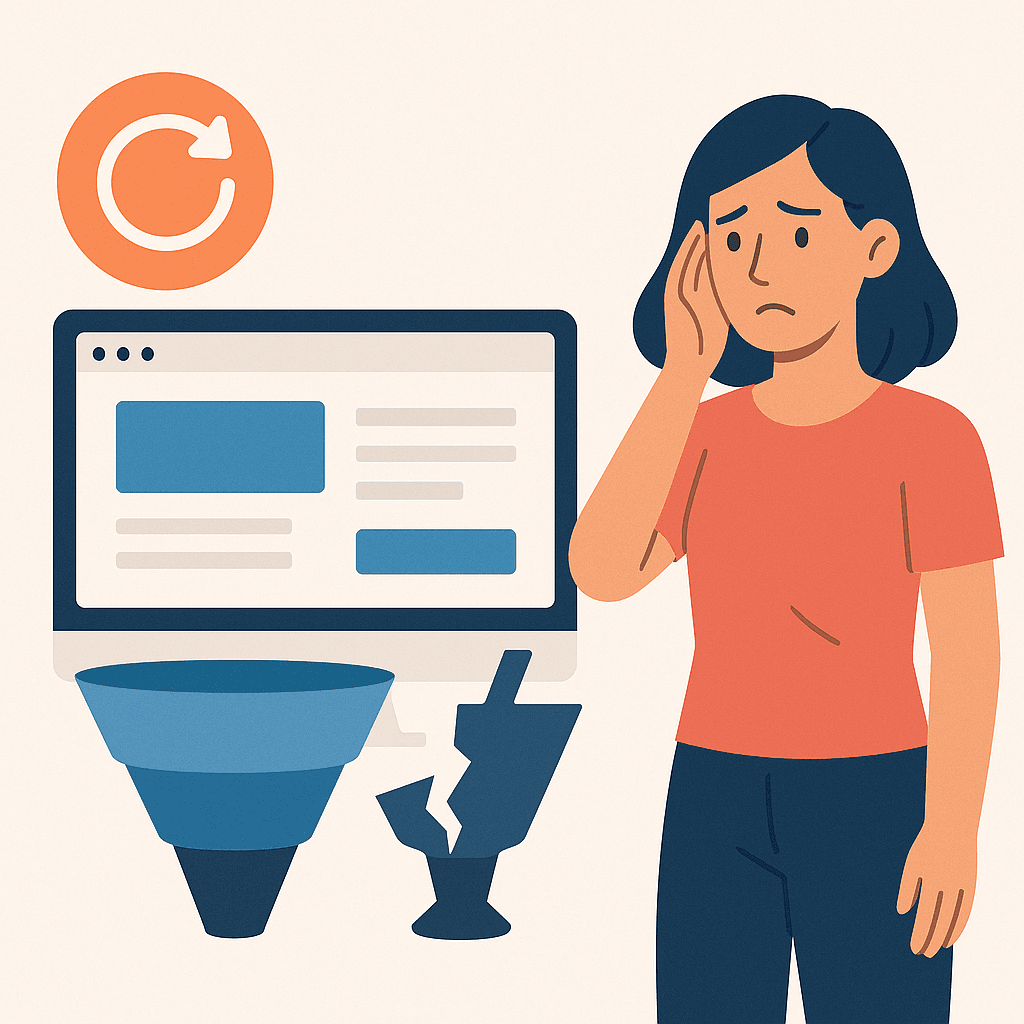
Landing pages are designed with a single-use mindset. They assume visitors will convert immediately. They assume one message fits all visitors. They assume the first visit is the only visit that matters.
But modern buyer behavior doesn't work this way. Visitors often need multiple touchpoints before converting. They might research your product across multiple sessions. They might compare you with competitors. They might wait for the right moment to purchase. They might need different messaging based on their buying stage.
When your landing page can't adapt to these behaviors, you're forced to rely on retargeting. Retargeting fills the gaps your landing page creates.
The Adaptive Personalization Solution
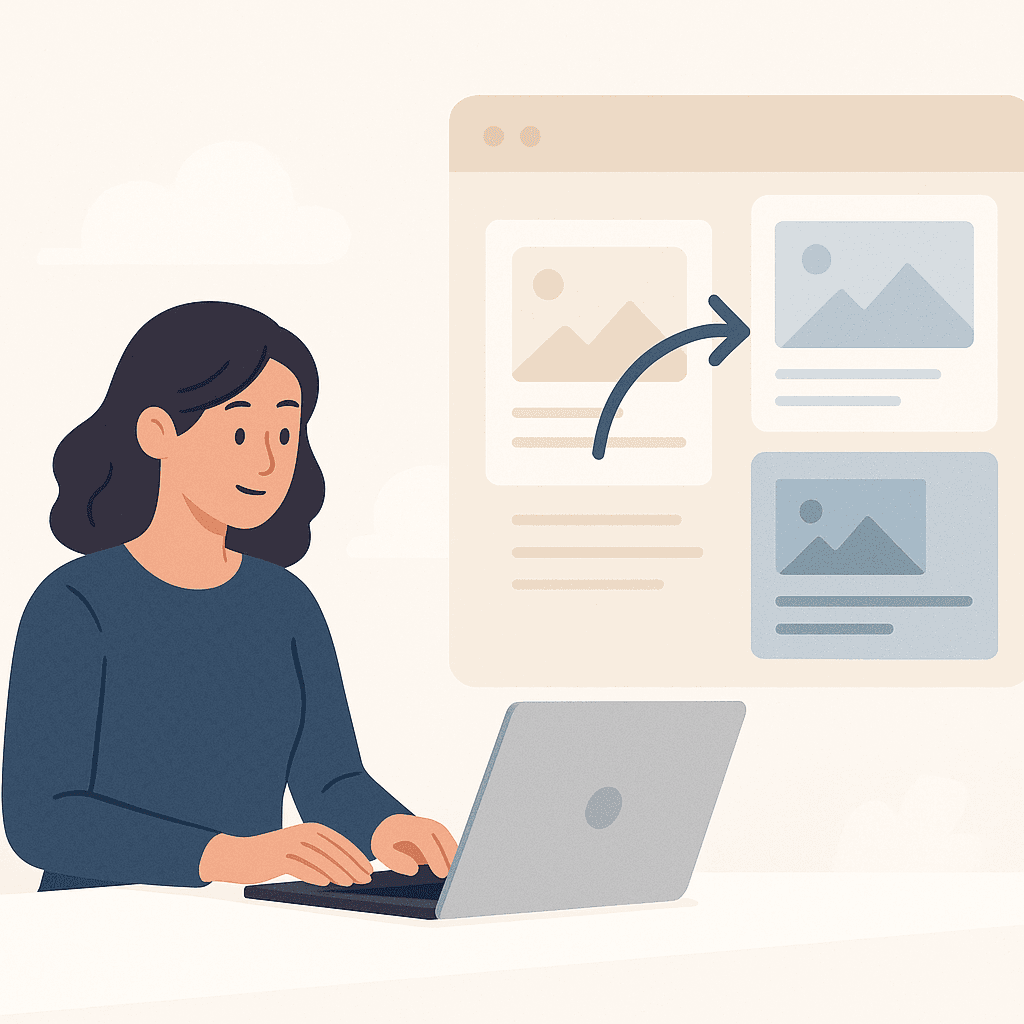
Adaptive personalization is a newer approach. It addresses the fundamental limitations of landing pages. Instead of creating a single static experience, adaptive personalization shows different content to visitors. Learn more in our complete guide to adaptive personalization. You can implement this using no-code website editing tools that work without developers.
Content changes based on:
| Factor | Examples |
|---|---|
| Traffic source | Paid search, social media platforms, video platforms, SEO, affiliate links |
| Visitor behavior | First-time visitors vs. returning visitors |
| Buying stage | Top-of-funnel, middle-of-funnel, bottom-of-funnel |
| Previous interactions | What they've seen before, what they've clicked on |
This means you can create a personalized experience. The experience adapts to each visitor's journey. It doesn't require them to convert on the first visit.
How Adaptive Personalization Reduces Retargeting Costs

With adaptive personalization, your website becomes a dynamic conversion tool. It works across multiple visits.
How adaptive personalization reduces retargeting costs:
The key difference: Because your website can adapt to the visitor's journey, you don't need retargeting campaigns. Visitors can return organically through any channel. They might come through SEO, direct, or social. They'll see a personalized experience that matches where they are in the buying process. No additional ad spend required.
Real Results: 3X Revenue Without Increased Retargeting
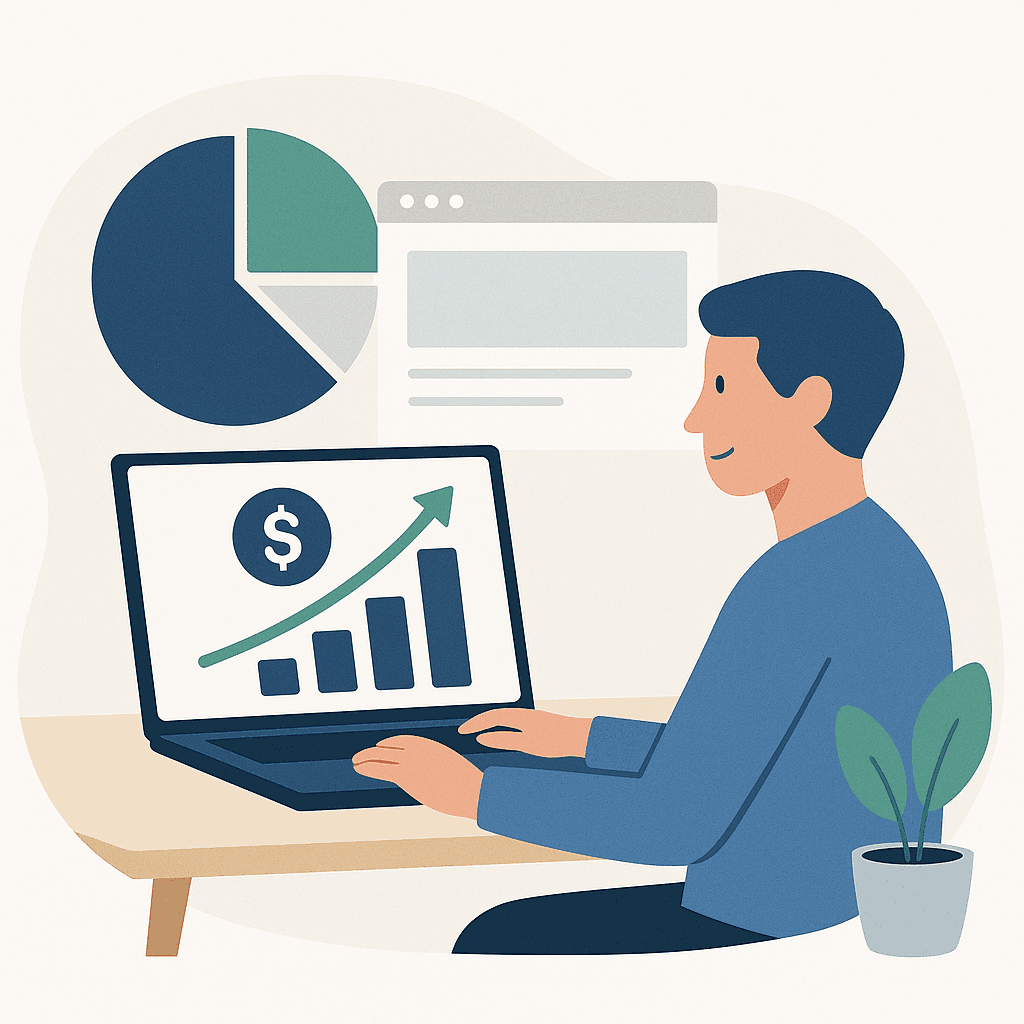
One wellness brand using adaptive personalization achieved impressive results. They achieved a 3X gross revenue increase and reduced their retargeting spend. (See our case study for details.)
How did they do it? They personalized their product pages for paid media traffic. Importantly, they didn't modify their main site.
When visitors from paid search, social media, or video platforms arrived, they saw personalized content. The content was tailored to their traffic source. When those same visitors returned later (through any channel), the site recognized them. It showed appropriate content for their buying stage.
The result? More conversions. Fewer retargeting campaigns needed. Significantly improved ROAS.
Implementing Adaptive Personalization
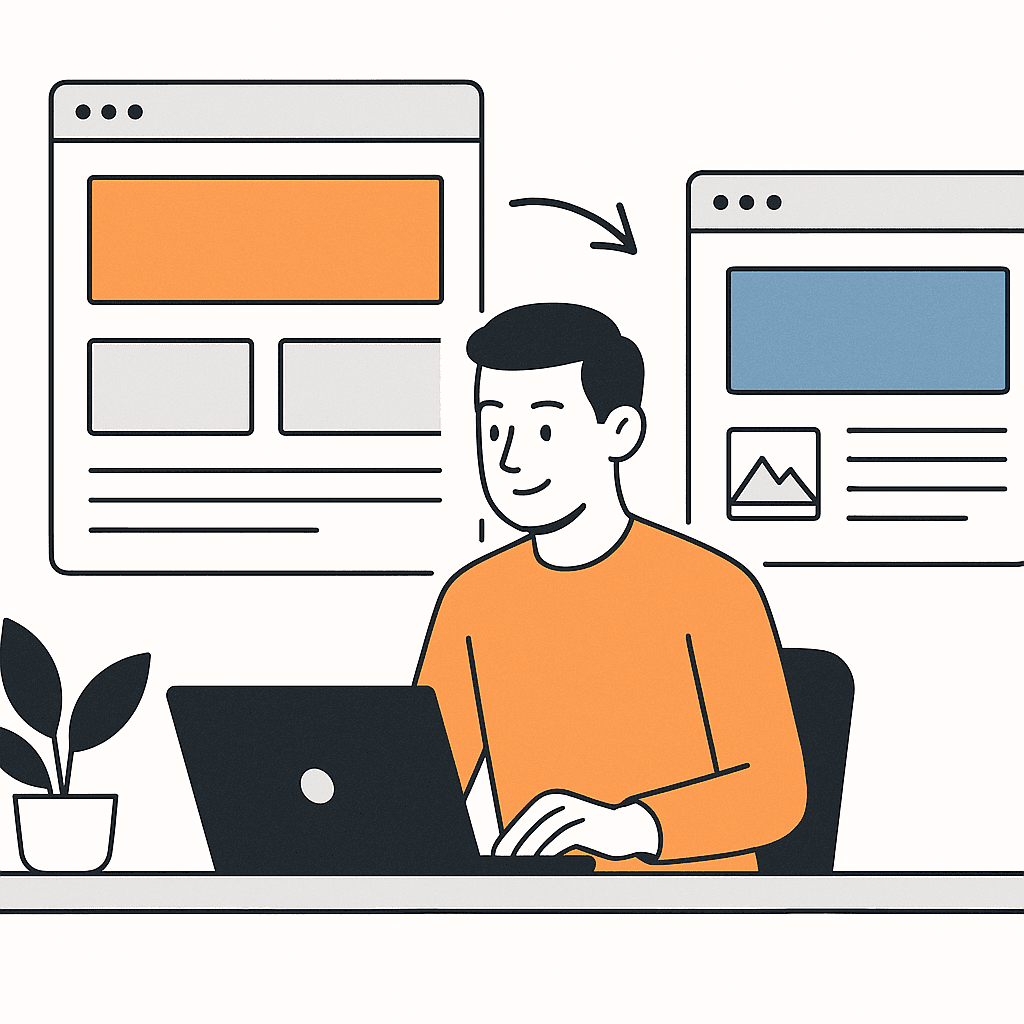
Getting started with adaptive personalization doesn't require rebuilding your entire website. Modern tools allow you to:
| Capability | What You Can Do |
|---|---|
| Create variations | Of your existing pages |
| Show different content | Based on traffic source |
| Personalize based on behavior | Using funnel-based personalization |
| Test and optimize | Without developer help |
The key is using a universal website editor. Learn how to edit client websites without developers using these tools. It works with your existing platform. Examples include popular content management systems, e-commerce platforms, and website builders. It allows you to create personalized experiences. Importantly, you don't need to touch your main site. This eliminates the hidden cost of developer dependencies that slows optimization. For ecommerce brands, proper conversion rate optimization means segmenting by persona, something you can implement quickly without waiting for developers.
The Bottom Line
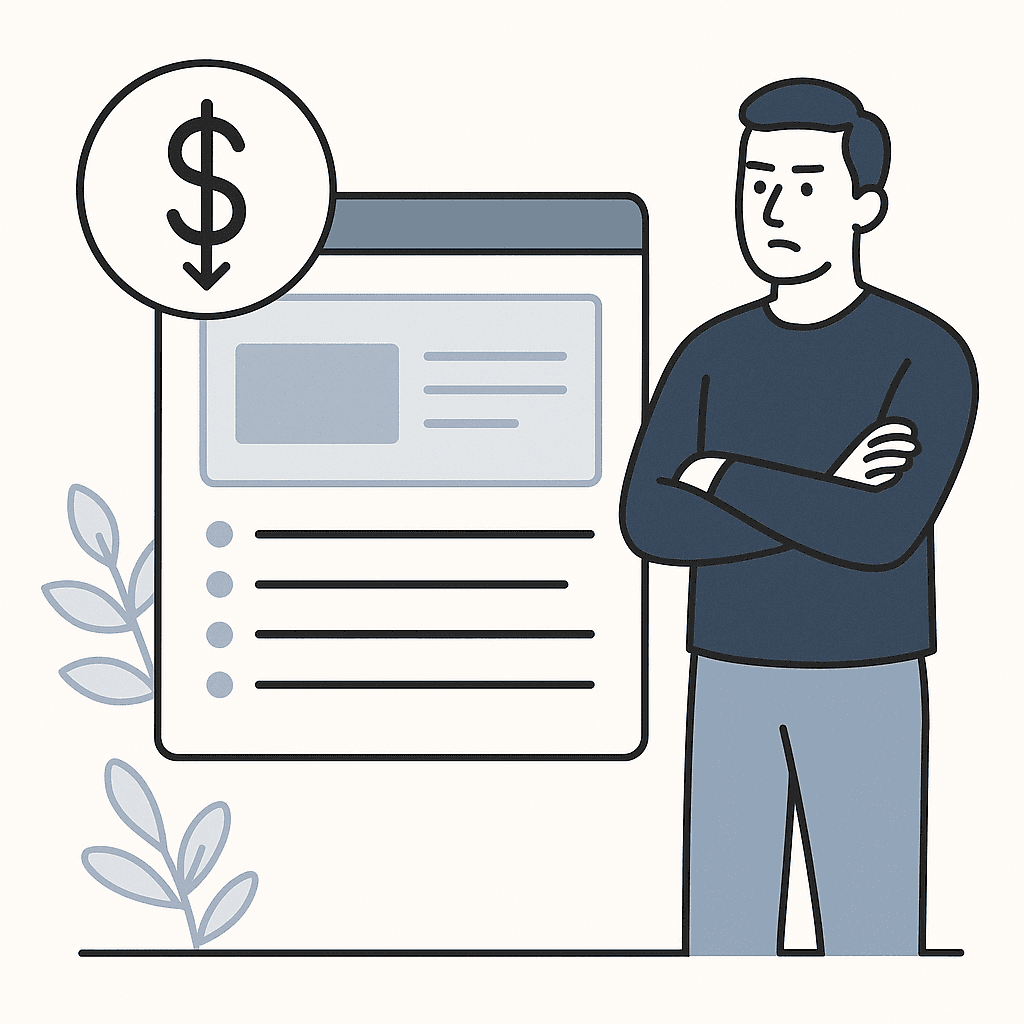
Landing pages served their purpose. But they're a 2003 solution for a 2025 problem. Modern buyers need personalized experiences that adapt to their journey. They don't need static pages that force you to retarget them repeatedly.
By implementing adaptive personalization, you can:
| Benefit | Impact |
|---|---|
| Convert visitors across multiple visits | No need for immediate conversion |
| Reduce retargeting spend | Visitors return organically |
| Improve overall ROAS | Better conversion rates without extra ad spend |
| Create seamless buyer experience | Personalized journey from first visit to purchase |
Stop wasting your retargeting budget. Don't bring visitors back to the same static landing page. Instead, create a website that adapts to your visitors' needs. It converts them naturally, regardless of how many times they visit.
Related guides
- How Agencies Control Permissions When Editing Client Websites
- How to Roll Back Website Changes Without Breaking Client Sites
- How Agencies Track and Audit Website Changes Across Clients
- How Agencies Prevent Accidental Website Breakage
- When Agencies Still Need Developers (And When They Don’t)
- Tools for Agencies to Edit Client Websites
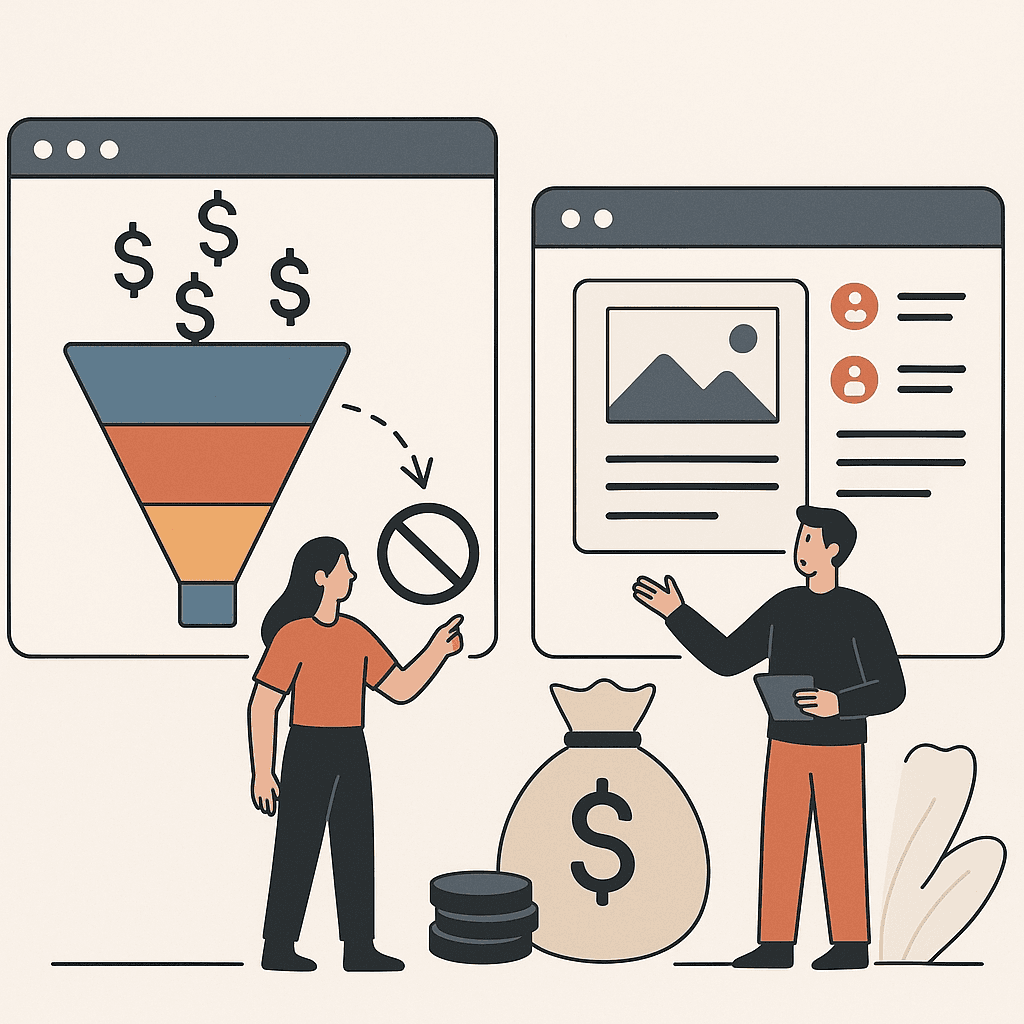
Fix Your Leaky Funnel - Stop Wasting Ad Spend
Your leaky funnel is costing you revenue and putting client relationships at risk. Stop paying twice for the same visitor with expensive retargeting campaigns. Create a website that adapts to your visitors' needs and converts them naturally, proving your value to clients and keeping them happy.