You need to change website content for a campaign or promotion. But you can’t afford to break your live pages.
This guide is a practical playbook for updating campaign content safely. You’ll learn how to ship campaign-specific messaging, offers, and CTAs without overwriting core pages or putting production at risk. If you're trying to understand why campaigns aren't converting before you optimize, start with why websites get traffic but no leads.
It’s not a guide to page builders, new tools, or “growth experiments.” And it’s not about redesigning your site. It’s about making targeted campaign changes while keeping your main site intact.
What “Campaign Content” Means (With Examples)

Campaign content is the marketing layer you change for a specific push. It’s what connects an ad, email, or promo to the page experience.
Common examples include:
- Hero headline + subheadline (e.g., “Winter sale ends Sunday”)
- Promo banner (e.g., free shipping threshold, limited-time offer)
- Offer details (e.g., bundle messaging, pricing callouts, bonuses)
- Primary CTA (e.g., “Get the deal” vs. “Request a demo”)
- Supporting proof (e.g., testimonials relevant to that audience)
It does not mean changing your navigation, legal pages, core product structure, or global site settings.
Why One-Size-Fits-All Websites Fail

Sending all campaigns to the same site creates problems:
| Problem | Impact |
|---|---|
| Mismatched messaging | Your ad says one thing, but your site says another. |
| Wrong audience focus | Enterprise campaigns show consumer content. |
| Inefficient funnels | Different goals use the same conversion path. |
| Wasted budget | Visitors don't see content matching their intent. |
The result? Lower conversion rates. Higher cost per acquisition. Every visitor who doesn't convert is money wasted on ad spend.
What Are Campaign-Specific Variations?

Campaign-specific variations are different website versions. They show to visitors from specific campaigns. Importantly, they exist on top of your main site. You create them without modifying your original website.
Think of campaign variations as a layer on top of your existing site. You can customize this layer for different campaigns without touching your main website code.
They let you:
| Feature | Benefit |
|---|---|
| Match ad messaging | Show content that aligns with your ad copy |
| Target specific audiences | Create experiences for different buyer personas |
| Optimize conversion paths | Design funnels matching each campaign's goals. This works especially well when combined with funnel-based personalization that adapts to buying stages |
| Test safely | Try new messaging without risk |
How Campaign Variations Work

Campaign variations use overlay technology. This is the same approach used in adaptive personalization. Here's how it works:
The Process:
Key benefit: Your main site remains unchanged. You can ship campaign changes without putting core pages at risk. This approach eliminates the hidden cost of developer dependencies by letting marketing teams make changes without code.
Creating Your First Campaign Variation

Follow these steps to set up a campaign-specific variation:
Step 1: Identify the Campaign
Start with one campaign that could benefit from a unique experience. Consider:
- Which campaign has the lowest conversion rate?
- Which campaign has messaging that doesn't match your current site?
- Which campaign targets a unique audience?
Step 2: Define the Variation Strategy
Decide what should be different:
- Headlines: Match your ad copy. Alternatively, emphasize different benefits.
- Images: Use visuals aligning with the campaign's messaging.
- CTAs: Create calls-to-action matching the campaign's goal.
- Layout: Structure the page to guide visitors through the right conversion path.
Step 3: Create the Variation
Create your variation on a separate layer of the page so your main site stays intact. If you need a deeper workflow, see how teams edit website content without developers:
- Start with your existing page as a template.
- Modify elements to match your campaign strategy.
- Ensure mobile responsiveness.
- Test the variation before launching.
Step 4: Set Targeting Rules
Define when the variation should show:
- URL parameters: Show variation when specific UTM parameters are present.
- Traffic source: Target visitors from specific platforms.
- Campaign name: Match specific campaign names.
- Ad group: Target specific ad groups for more granular control.
Step 5: Launch and Measure
Deploy your variation and track performance:
- Monitor conversion rates vs. your main site.
- Compare cost per acquisition.
- Track engagement metrics.
- Optimize based on data.
Campaign Variation Strategies by Platform

Paid Search Variations
Paid search visitors are actively searching. Optimize for them by:
| Strategy | Implementation |
|---|---|
| Matching keywords | Use the keywords they searched in your headlines |
| Ad copy alignment | Ensure your site content matches your ad messaging |
| Conversion focus | Emphasize clear value propositions and CTAs |
| Trust signals | Show reviews, guarantees, and security badges |
Example: A paid search campaign for "project management software" shows a variation that includes:
- Headlines matching the exact search query
- Comparison tables highlighting key features
- A prominent free trial CTA
- Trust signals like customer reviews and security badges
Social Media Variations
Social media visitors are discovering your brand. Optimize for them by:
| Strategy | Implementation |
|---|---|
| Social proof | Lead with user-generated content and testimonials |
| Visual storytelling | Use engaging images and videos |
| Community focus | Emphasize brand personality and values |
| Soft conversion | Start with engagement before asking for a sale |
Example: A social media campaign for a fitness app shows a variation featuring:
- Before/after transformation photos
- User-generated content and testimonials
- Community-focused messaging
- A soft "Join the Community" CTA instead of aggressive sales language
Video Platform Variations
Video platform visitors expect fast, engaging content. Optimize for them by:
| Strategy | Implementation |
|---|---|
| Video-first | Lead with video content |
| Trending elements | Reference current trends and culture |
| Quick value | Get to the point immediately |
| Mobile optimization | Ensure perfect mobile experience |
Example: A video platform campaign for a fashion brand shows a variation with:
- Video-first content (lookbooks and style guides)
- Trending styles and current fashion references
- Mobile-optimized layout for quick browsing
- A "Shop the Look" CTA that matches video platform shopping culture
Affiliate Campaign Variations
Affiliate visitors are often price-sensitive. Optimize for them by:
| Strategy | Implementation |
|---|---|
| Discount emphasis | Highlight special offers and deals |
| Comparison focus | Show value vs. competitors |
| Urgency | Create reasons to act now |
| Clear pricing | Make pricing and savings obvious |
Example: An affiliate campaign shows a variation highlighting:
- A prominent discount code or special offer
- Price comparison showing savings vs. competitors
- Limited-time urgency messaging
- Clear pricing and savings calculations
Best Practices for Campaign Variations

Start with High-Volume Campaigns
Pro tip: Focus on campaigns driving significant traffic first. Small campaigns won't provide enough data to optimize effectively. Once you've proven the concept with high-volume campaigns, expand to smaller ones.
Match Ad Messaging
Ensure your variation aligns with your ad copy. Mismatched messaging confuses visitors and hurts conversion rates. This is especially important for ecommerce brands where conversion rate optimization depends on matching visitor intent precisely.
What to match:
- Headlines and key messaging
- Visual style and imagery
- Value propositions
- Call-to-action language
Test One Element at a Time
When optimizing, change one element at a time. This helps you identify what drives improvements.
Test in this order:
- Headlines and messaging
- CTAs and conversion elements
- Images and visuals
- Layout and structure
Maintain Brand Consistency
While variations should be different, they should still feel like your brand. Don't sacrifice brand identity for optimization.
Monitor Performance Regularly
Check your variation performance weekly. What works today might not work next month. Campaign performance changes, and your variations should evolve with them.
Don't Over-Complicate
Start simple. You can always add more complexity as you learn what works.
Common Campaign Variation Mistakes
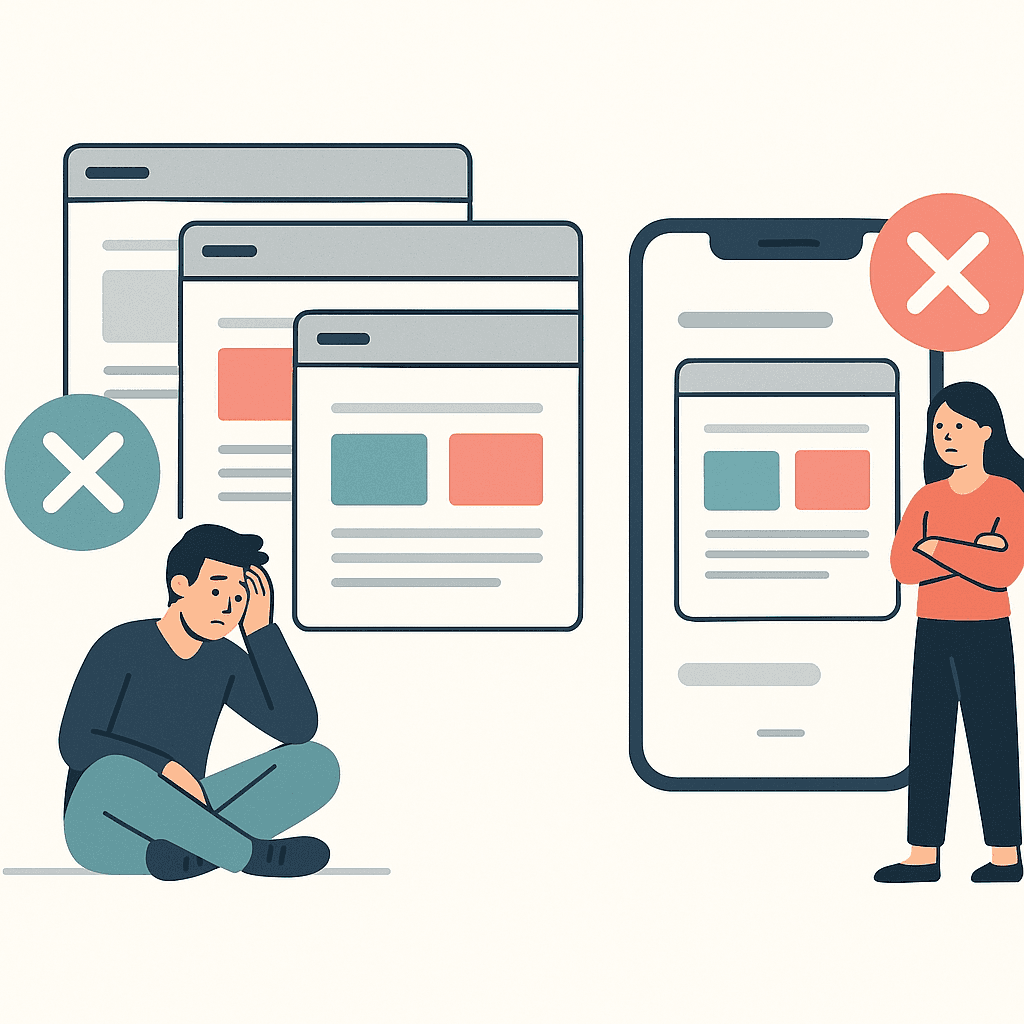
Avoid these pitfalls:
Common Mistakes to Avoid
| Mistake | Why It's a Problem | Solution |
|---|---|---|
| Creating too many variations | Hard to manage and optimize | Start with 2-3 key campaigns |
| Ignoring mobile | Many campaigns drive mobile traffic | Ensure all variations work perfectly on mobile devices |
| Not testing | Campaign-specific doesn't mean better | Always A/B test your variations against your main site |
| Forgetting analytics | No data means no optimization | Set up proper tracking for each variation |
| Setting and forgetting | Performance changes over time | Review and improve regularly |
Measuring Campaign Variation Success
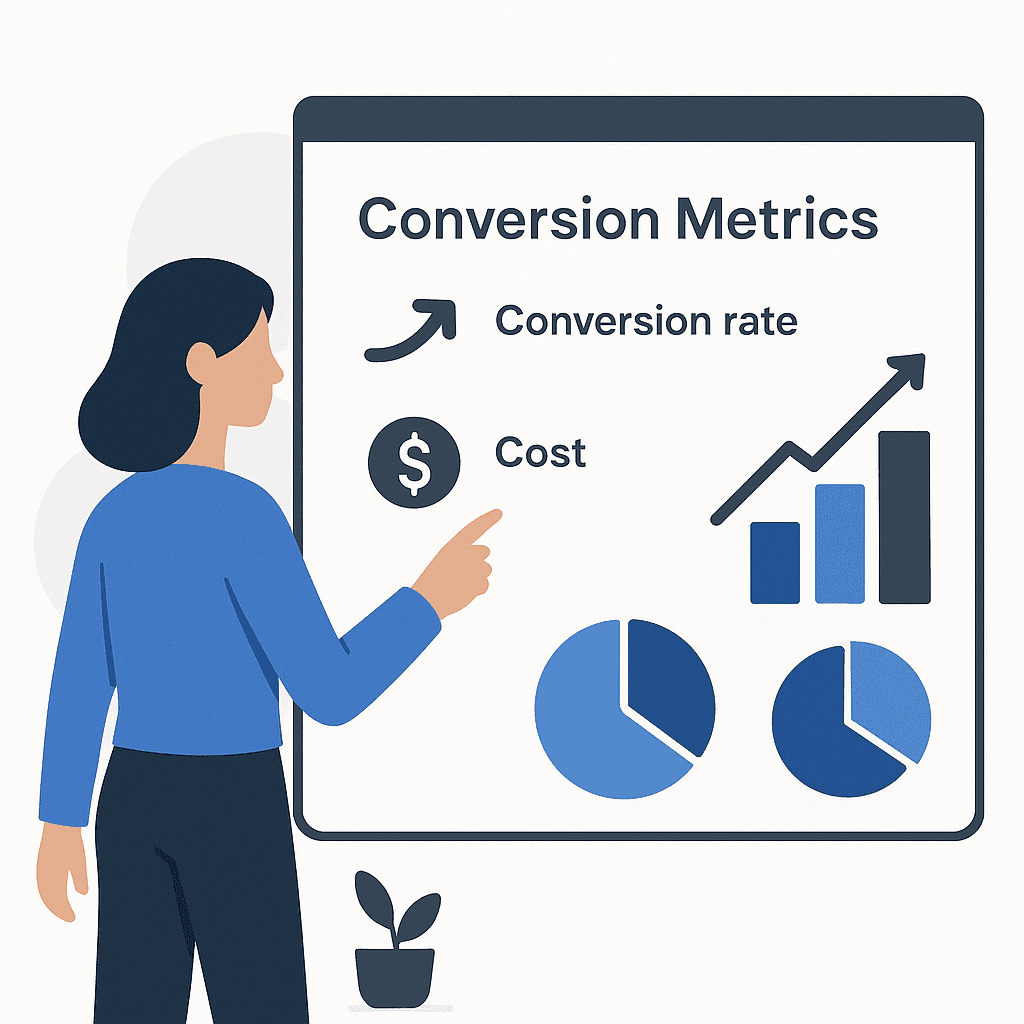
Track these metrics for each variation:
Conversion Metrics
| Metric | What to Look For |
|---|---|
| Conversion rate | How does the variation compare to your main site? |
| Cost per acquisition | Are you acquiring customers more efficiently? |
| Revenue per visitor | Is the variation driving higher-value conversions? |
Engagement Metrics
| Metric | What to Look For |
|---|---|
| Time on site | Are visitors engaging with the variation? |
| Pages per session | Are visitors exploring more? |
| Bounce rate | Are visitors leaving immediately? |
Campaign Metrics
| Metric | What to Look For |
|---|---|
| ROAS | Is the variation improving return on ad spend? |
| Click-through rate | Are more visitors clicking through from ads? |
| Quality score | Is the variation improving your ad platform's quality metrics? |
Later-stage Campaign Variation Strategies
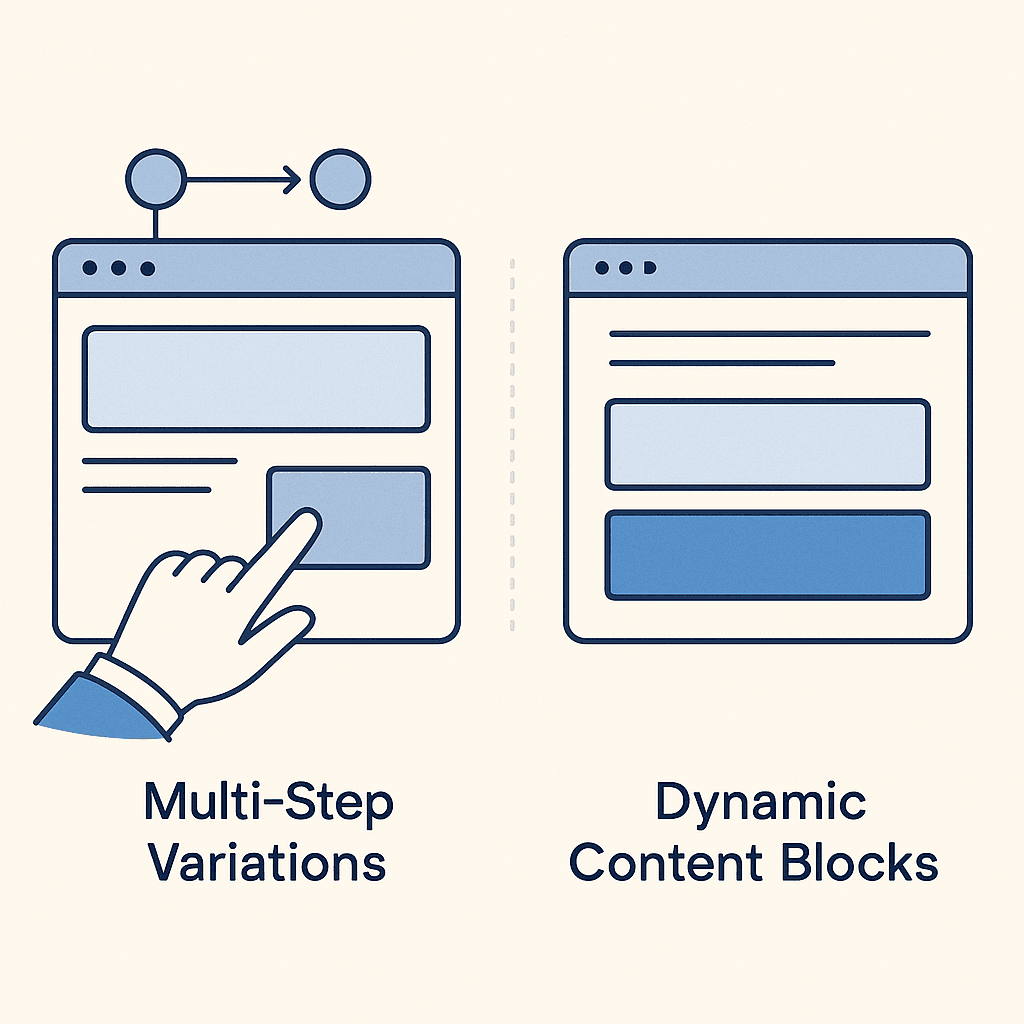
Once you've mastered the basics, try these later-stage approaches:
Multi-Step Variations
Create variations that change based on visitor behavior within the session.
Dynamic Content Blocks
Personalize specific sections of a page. Don't change the entire page.
Retargeting Variations
Show different variations to visitors who've been retargeted. Compare them to first-time visitors. This approach helps reduce retargeting budget waste by creating better experiences for returning visitors.
Time-Based Variations
Adjust variations based on time of day, day of week, or seasonality.
Geographic Variations
Customize variations based on visitor location. Examples include language, currency, and local references.
Example: E-commerce Campaign Variations

Here's how an e-commerce brand might create variations for different campaigns:
| Campaign Type | Key Features |
|---|---|
| Shopping Platform Campaign |
|
| Social Media Brand Awareness Campaign |
|
| Video Platform Trend Campaign |
|
Potential Result: Campaign-specific variations can improve conversion rates significantly. The biggest gains often come from campaigns that previously underperformed with generic messaging. By matching your website experience to your ad messaging, you create a seamless journey that converts better.
Getting Started

Action Plan
- Audit your campaigns: Identify which campaigns could benefit from variations.
- Choose one campaign: Start with your highest-volume or lowest-performing campaign.
- Define your strategy: Decide what should be different for this campaign.
- Create the variation: Build the campaign changes on a separate layer from your main site.
- Set targeting rules: Define when the variation should show.
- Launch and measure: Deploy and track performance.
- Optimize: Improve based on data.
- Scale: Expand to more campaigns as you learn.
Conclusion

Campaign-specific variations let you optimize each campaign for its unique characteristics. Importantly, you don't need to modify your main site. By matching your website experience to your ad messaging and audience, you can dramatically improve conversion rates and ROAS.
Start with one campaign. Measure the results. Scale what works. With the right approach, campaign variations can transform your paid media performance.
Related guides
- How Agencies Control Permissions When Editing Client Websites
- How to Roll Back Website Changes Without Breaking Client Sites
- How Agencies Track and Audit Website Changes Across Clients
- How Agencies Prevent Accidental Website Breakage
- When Agencies Still Need Developers (And When They Don’t)
- Tools for Agencies to Edit Client Websites
Stop Wasting Ad Spend - Convert More Traffic
Your leaky funnel is wasting ad spend and hurting ROAS. Match your website experience to your ad messaging and create seamless campaign experiences that convert better, without ever touching your main site. Fix your funnel and deliver results that keep clients happy.