Adaptive personalization is revolutionizing how marketing agencies convert website visitors. Unlike static landing pages that show the same content to everyone, adaptive personalization creates dynamic experiences. These experiences change based on who's visiting and how they arrived.
This guide walks you through everything you need to know. You'll learn how to implement adaptive personalization for your paid media campaigns. We'll cover everything from the basics to later-stage strategies. If you're diagnosing why traffic isn't converting before implementing personalization, start with why websites get traffic but no leads.
What Is Adaptive Personalization?
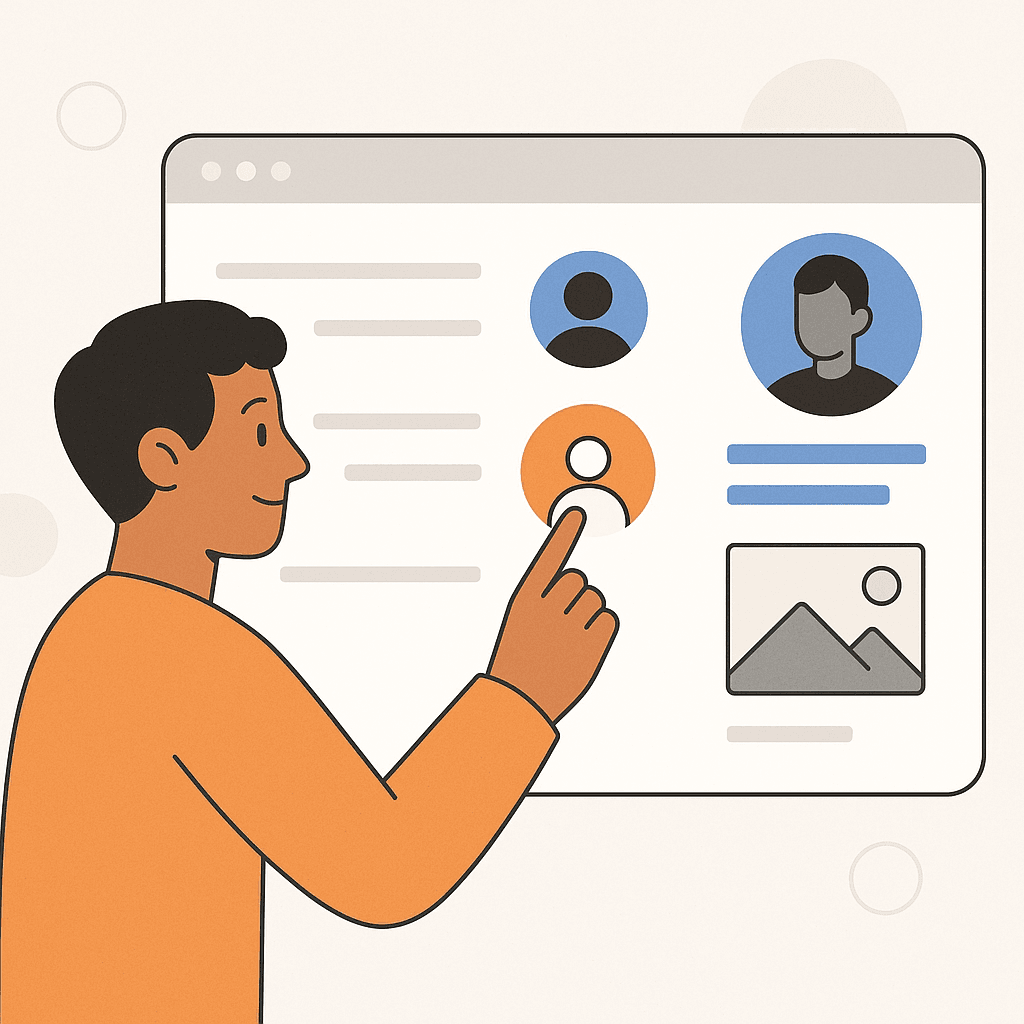
Adaptive personalization is a technique. It shows different website content to different visitors. Content changes based on several factors:
| Factor | Examples |
|---|---|
| Traffic source | Paid search, social media platforms, video platforms, SEO, direct, affiliate |
| Visitor behavior | First-time vs. returning visitors, pages viewed, time on site |
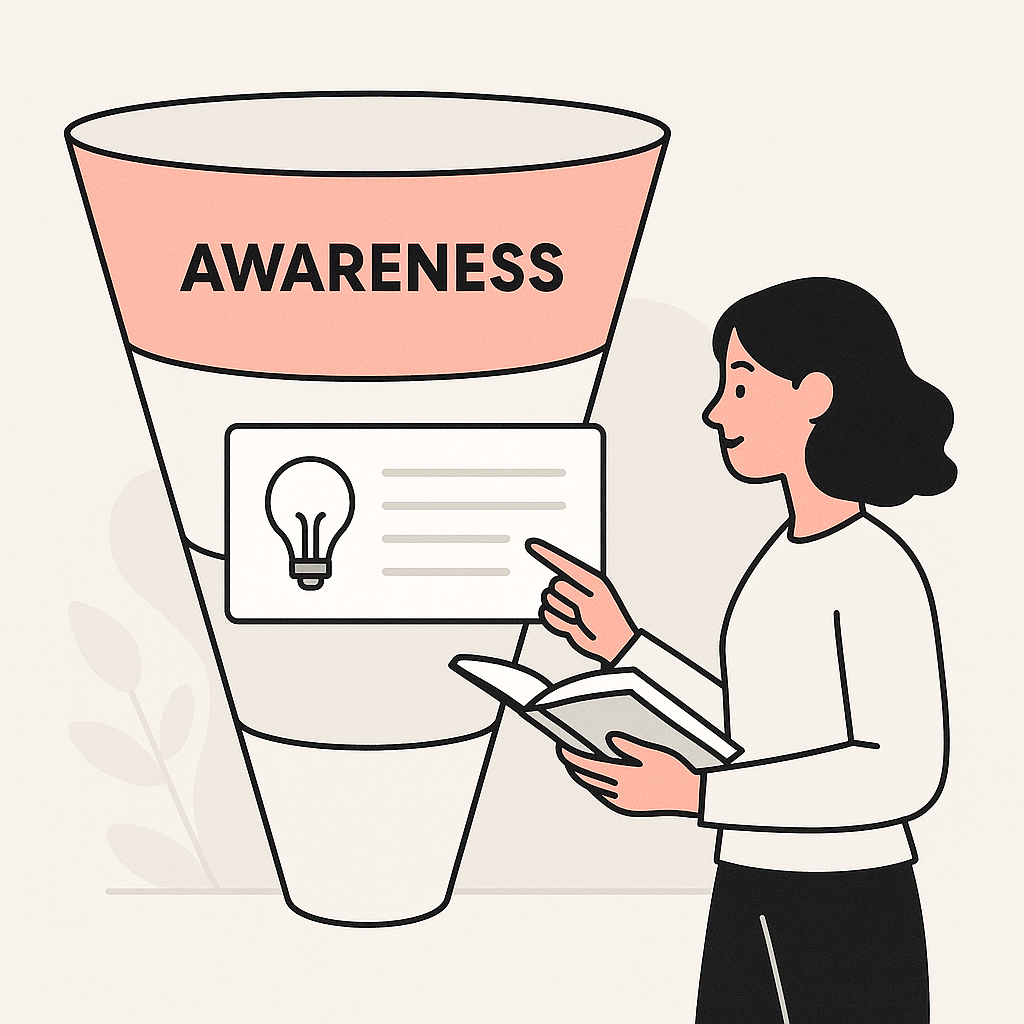
| Buying stage | Top-of-funnel (awareness), middle-of-funnel (consideration), bottom-of-funnel (decision) |
| Campaign context | Which ad they clicked, what keyword they searched, what offer they saw |
The key difference: Unlike traditional personalization that requires login or forms, adaptive personalization works in real-time. It creates a personalized experience automatically based on how visitors arrive and behave. No information required upfront.
Why Adaptive Personalization Matters
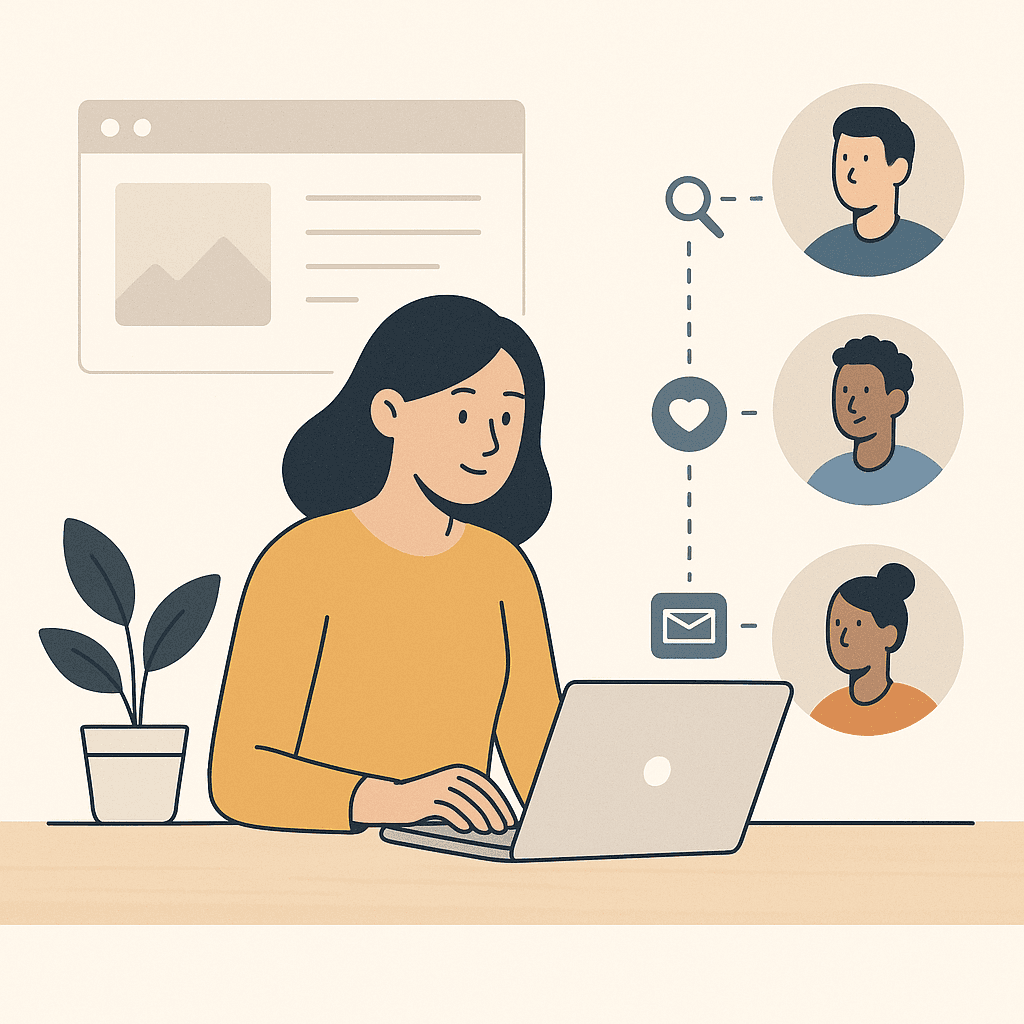
Traditional marketing approaches treat all visitors the same. But visitors from different sources have different needs:
| Traffic Source | Visitor Intent | What They Need |
|---|---|---|
| Paid search | Actively searching | Direct solution, clear value prop |
| Social media | Discovering brand | Education, social proof, community |
| SEO | Researching | Detailed information, comparisons |
| Returning visitors | Ready to convert | Urgency, special offers, easy path |
Adaptive personalization recognizes these differences. It shows each visitor the content most likely to convert them.
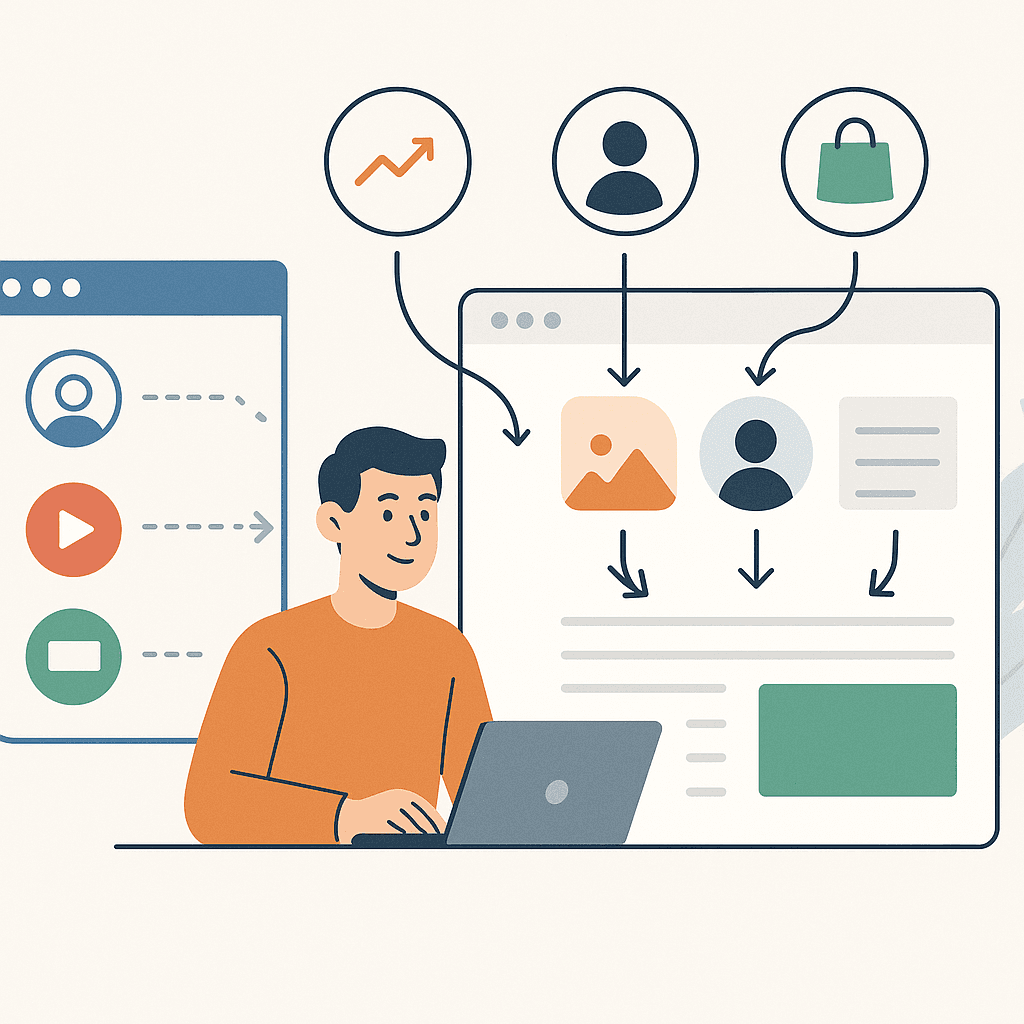
How Adaptive Personalization Works
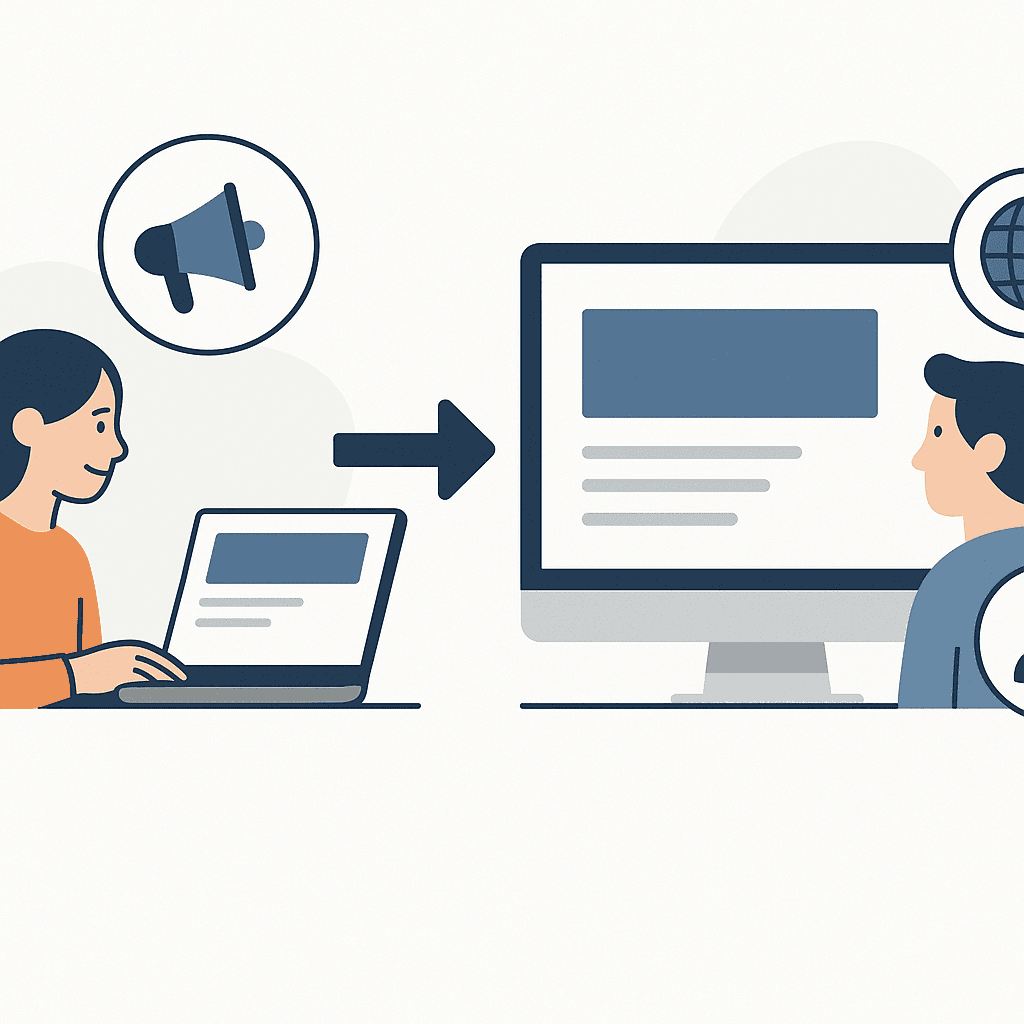
Here's how it works:
The Process:
This all happens in real-time. The visitor doesn't know anything has changed. Importantly, you can implement this without developers using no-code website editing tools, eliminating the hidden cost of developer dependencies.
Setting Up Adaptive Personalization
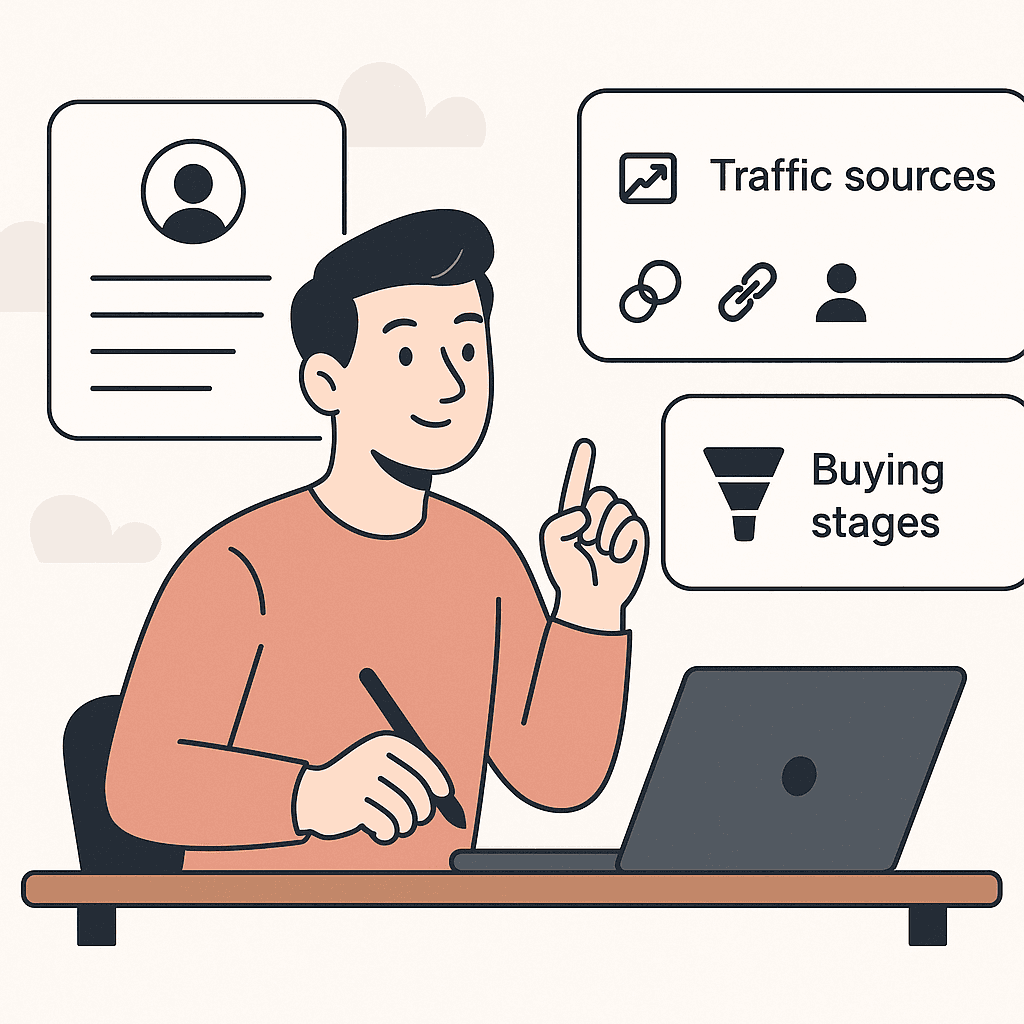
Step 1: Define Your Personalization Rules
Start by identifying what makes your visitors different:
- Traffic sources: Which channels drive different types of visitors?
- Buying stages: How do you identify where visitors are in the funnel? Learn more about funnel-based personalization for different stages.
- Campaign types: What different campaigns are you running? Consider creating campaign-specific variations for each.
Step 2: Create Content Variations
For each rule, create a variation of your content:
- Headlines: Different messaging for different audiences.
- Images: Visuals that match the visitor's context.
- CTAs: Calls-to-action that match buying stage.
- Layouts: Page structures optimized for different goals.
Step 3: Set Targeting Rules
Define when each variation should show:
- Show conversion-focused content to paid media visitors.
- Show educational content to SEO visitors.
- Show urgency messaging to returning visitors. This helps reduce retargeting budget waste by converting visitors without additional ad spend.
- Show social proof to first-time visitors.
Step 4: Test and Optimize
Launch your personalization and measure results:
- Track conversion rates by variation.
- Compare performance across traffic sources.
- Identify which personalization rules drive the best results.
- Iterate and improve.
Learn how to create campaign-specific variations to personalize for different paid media campaigns. For ecommerce brands, understanding why A/B testing fails without persona segmentation is critical for effective personalization.
Personalization Strategies by Traffic Source
Paid Search Personalization
Visitors from paid search campaigns are often actively searching for solutions. Personalize for them by:
| Strategy | Why It Works |
|---|---|
| Matching ad copy | Shows content that aligns with the ad they clicked |
| Keyword relevance | Uses the keywords they searched in your content |
| Conversion focus | Emphasizes clear CTAs and value propositions |
| Trust signals | Shows reviews, testimonials, and guarantees |
Social Media Personalization
Social media visitors are often in discovery mode. Personalize for them by:
| Strategy | Why It Works |
|---|---|
| Social proof | Shows user-generated content and social mentions |
| Visual storytelling | Uses engaging images and videos |
| Community focus | Emphasizes brand personality and values |
| Soft CTAs | Starts with engagement, not immediate conversion |
Video Platform Personalization
Video platform visitors expect fast, engaging content. Personalize for them by:
| Strategy | Why It Works |
|---|---|
| Video-first | Leads with video content |
| Trending elements | References current trends and culture |
| Quick value | Gets to the point fast |
| Mobile optimization | Ensures perfect mobile experience |
SEO Personalization
Organic visitors are researching. Personalize for them by:
| Strategy | Why It Works |
|---|---|
| Educational content | Provides valuable information |
| Comparison tools | Helps them evaluate options |
| Resource libraries | Offers guides, case studies, and resources |
| Soft conversion | Focuses on building trust before asking for action |
Personalization by Buying Stage

Top-of-Funnel (TOFU) Personalization
Visitors just discovering your brand need:
| Need | How to Address It |
|---|---|
| Education | Help them understand the problem and solution |
| Trust building | Showcase your expertise and credibility |
| Low commitment | Offer valuable content without asking for much |
| Brand awareness | Help them remember you |
Middle-of-Funnel (MOFU) Personalization
Visitors considering your solution need:
| Need | How to Address It |
|---|---|
| Comparison | Help them evaluate you vs. competitors |
| Social proof | Show how others have succeeded |
| Detailed information | Provide specifics about your solution |
| Engagement | Keep them interested and moving forward |
Bottom-of-Funnel (BOF) Personalization
Visitors ready to buy need:
| Need | How to Address It |
|---|---|
| Urgency | Create reasons to act now |
| Clear value | Emphasize benefits and ROI |
| Easy conversion | Remove friction from the purchase process |
| Risk reduction | Address concerns and offer guarantees |
Case Study: 3X Revenue with Adaptive Personalization
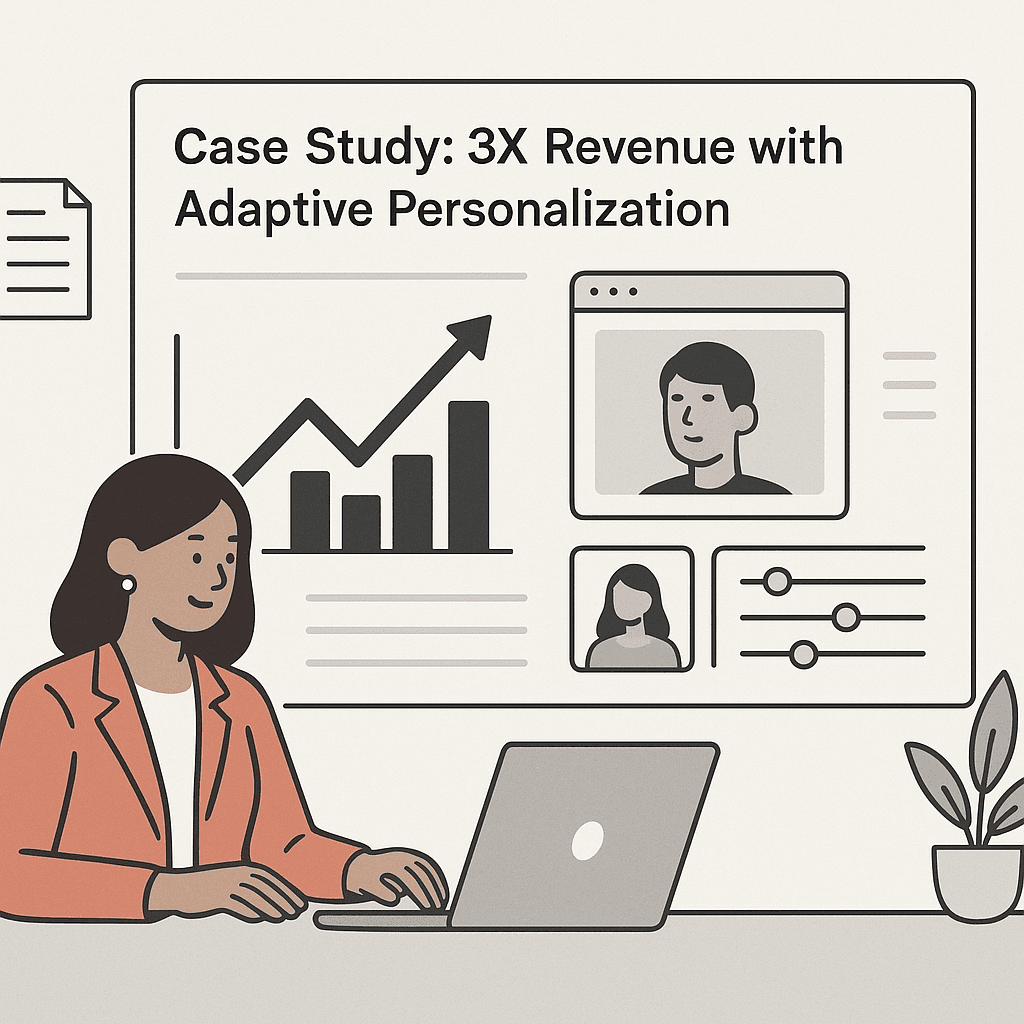
A $20M ARR wellness brand implemented adaptive personalization for their paid media campaigns. (See our case study for details.) Here's what they did:
The Challenge: Their product pages weren't converting paid media traffic effectively. They needed to personalize for different traffic sources, but they couldn't modify their main site.
The Solution: They created personalized variations of their product pages:
| Visitor Type | Personalized Experience |
|---|---|
| Paid search visitors |
|
| Social media visitors |
|
| Returning visitors |
|
The Results:
3X gross revenue increase (A/B tested)
Improved conversion rates across all paid channels
Reduced retargeting spend significantly
10-minute setup time to get started
24-hour implementation to full deployment
Key Takeaway: By personalizing product pages for paid media traffic, they converted more visitors. Importantly, they didn't increase ad spend. The same traffic, better results.
Measuring Adaptive Personalization Success

Track these metrics to measure your personalization impact:
Conversion Metrics
| Metric | What to Track |
|---|---|
| Conversion rate by variation | Which personalization rules drive the best conversions? |
| Conversion rate by traffic source | How does personalization affect each channel? |
| Revenue per visitor | Is personalization increasing average order value? |
Engagement Metrics
| Metric | What to Track |
|---|---|
| Time on site | Are personalized experiences keeping visitors engaged? |
| Pages per session | Are visitors exploring more of your site? |
| Bounce rate | Are personalized experiences reducing bounces? |
Campaign Metrics
| Metric | What to Track |
|---|---|
| ROAS improvement | Is personalization improving return on ad spend? |
| Cost per acquisition | Are you acquiring customers more efficiently? |
| Campaign performance | How do personalized campaigns compare to static ones? |
Common Personalization Mistakes
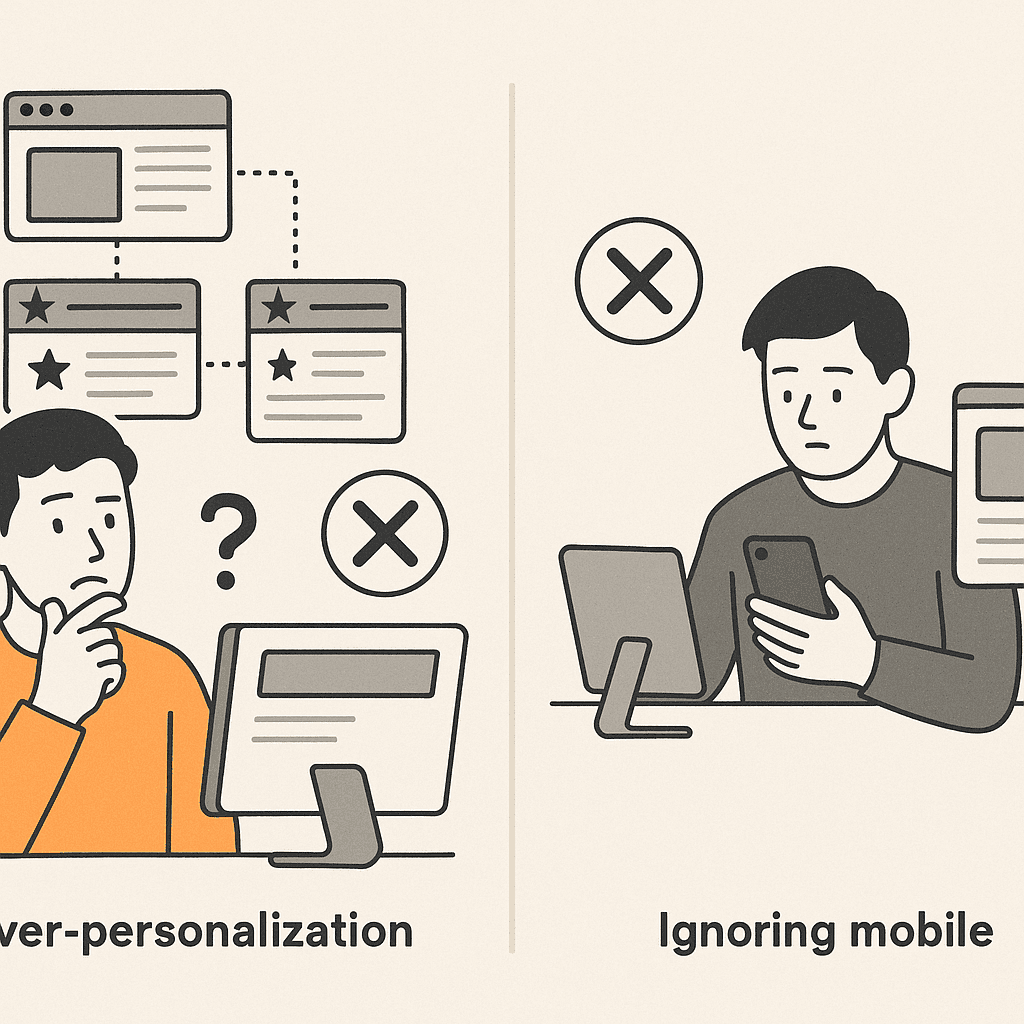
Avoid these pitfalls:
Over-Personalization
Warning: Don't create too many variations. Start with 2-3 key personalization rules. Then expand based on results. Too many rules can fragment your data and make optimization impossible.
Ignoring Mobile
Ensure all personalized experiences work perfectly on mobile devices. Most paid media traffic is mobile-first.
Mobile checklist:
| Task | Status |
|---|---|
| Test all variations on mobile devices | Required |
| Ensure CTAs are thumb-friendly | Required |
| Optimize images for mobile loading | Required |
| Check text readability on small screens | Required |
Not Testing
Always A/B test your personalization. Just because it's personalized doesn't mean it's better.
What to test:
| Test Type | Purpose |
|---|---|
| Personalized vs. static content | Validate personalization improves results |
| Different personalization rules | Find which rules work best |
| Variation performance by traffic source | Optimize for each channel |
Forgetting the Main Site
Don't neglect your main site while focusing on personalization. Both need to work together.
Setting and Forgetting
Personalization requires ongoing optimization. Review and improve regularly. What works today might not work next month as visitor behavior and campaign performance evolve.
Later-stage Personalization Strategies
Once you've mastered the basics, try these later-stage approaches:
Multi-Touchpoint Personalization
Track visitors across multiple sessions. Personalize based on their entire journey.
Dynamic Content Blocks
Personalize individual sections of a page. Don't change the entire page.
Behavioral Triggers
Show different content based on specific behaviors. Examples include time on page, scroll depth, and clicks.
Geographic Personalization
Adapt content based on visitor location. Examples include language, currency, and local references.
Device-Based Personalization
Optimize experiences for desktop vs. mobile vs. tablet.
Getting Started with Adaptive Personalization
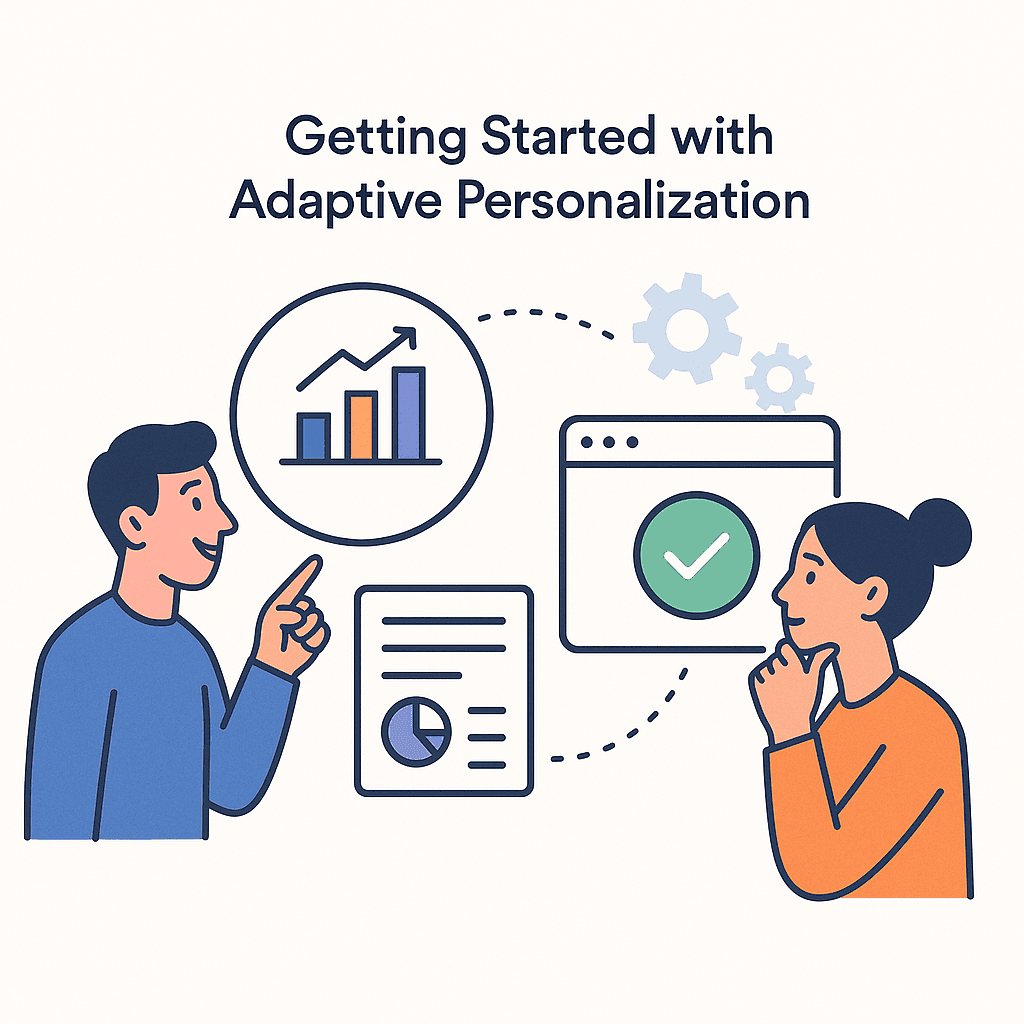
Action Plan
- Audit your traffic: Understand where your visitors come from.
- Identify opportunities: Find where personalization could help.
- Choose a tool: Select a platform that supports adaptive personalization.
- Start simple: Begin with one traffic source or buying stage.
- Measure results: Track performance and optimize.
- Scale gradually: Expand to more personalization rules as you learn.
The Future of Personalization

Adaptive personalization is just the beginning. As AI and machine learning advance, we'll see:
- Predictive personalization: Systems that predict what visitors need.
- Real-time optimization: Personalization that improves automatically.
- Cross-channel personalization: Consistent experiences across all touchpoints.
- Voice and visual personalization: New ways to personalize experiences.
Conclusion
Adaptive personalization is the future of conversion optimization. By showing the right content to the right visitors at the right time, you can dramatically improve your conversion rates and ROAS.
The key is starting simple. Measure results. Iterate based on data. With the right approach, adaptive personalization can transform your paid media performance.
Fix Your Leaky Funnel - Deliver Results That Matter
Your leaky funnel is wasting ad spend and putting client relationships at risk. Adaptive personalization shows the right content to the right visitors at the right time, transforming your paid media performance and improving conversion rates without increasing ad spend. Prove your value and keep your clients happy.