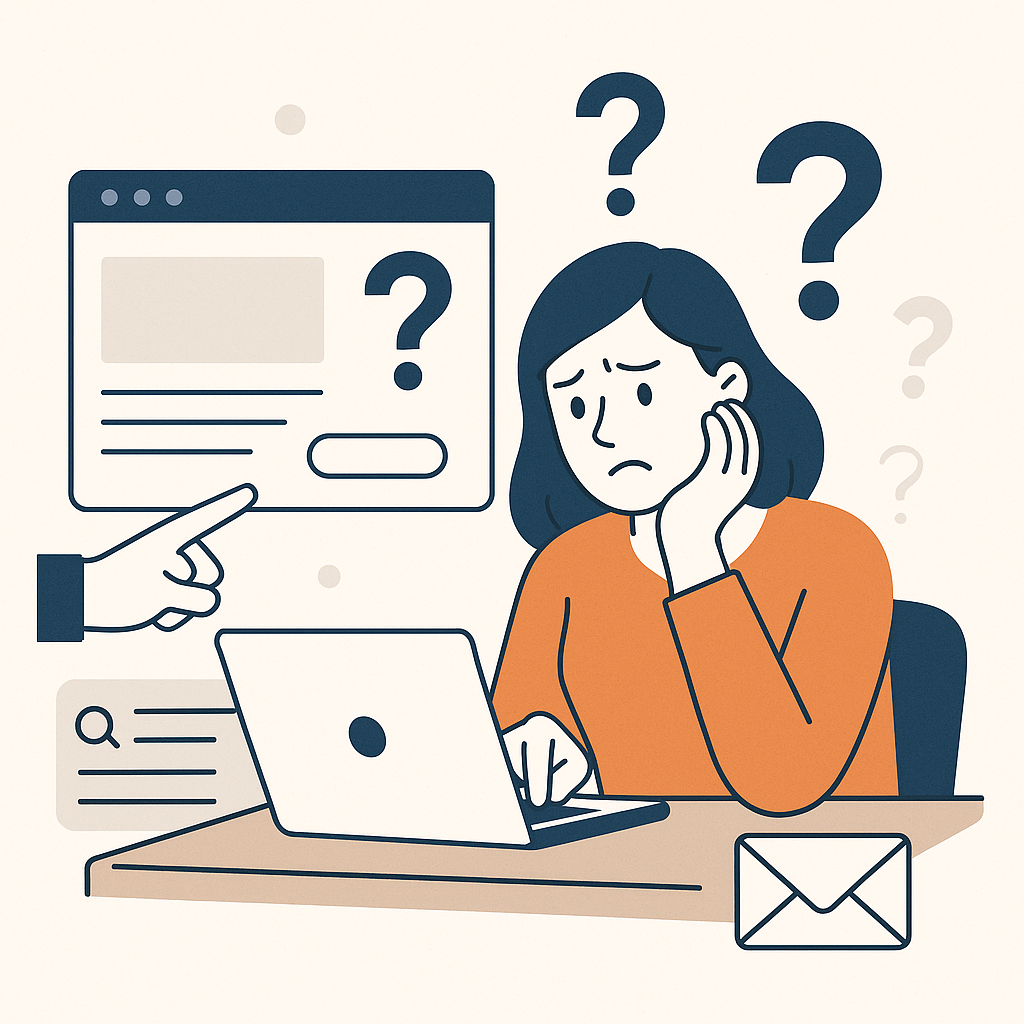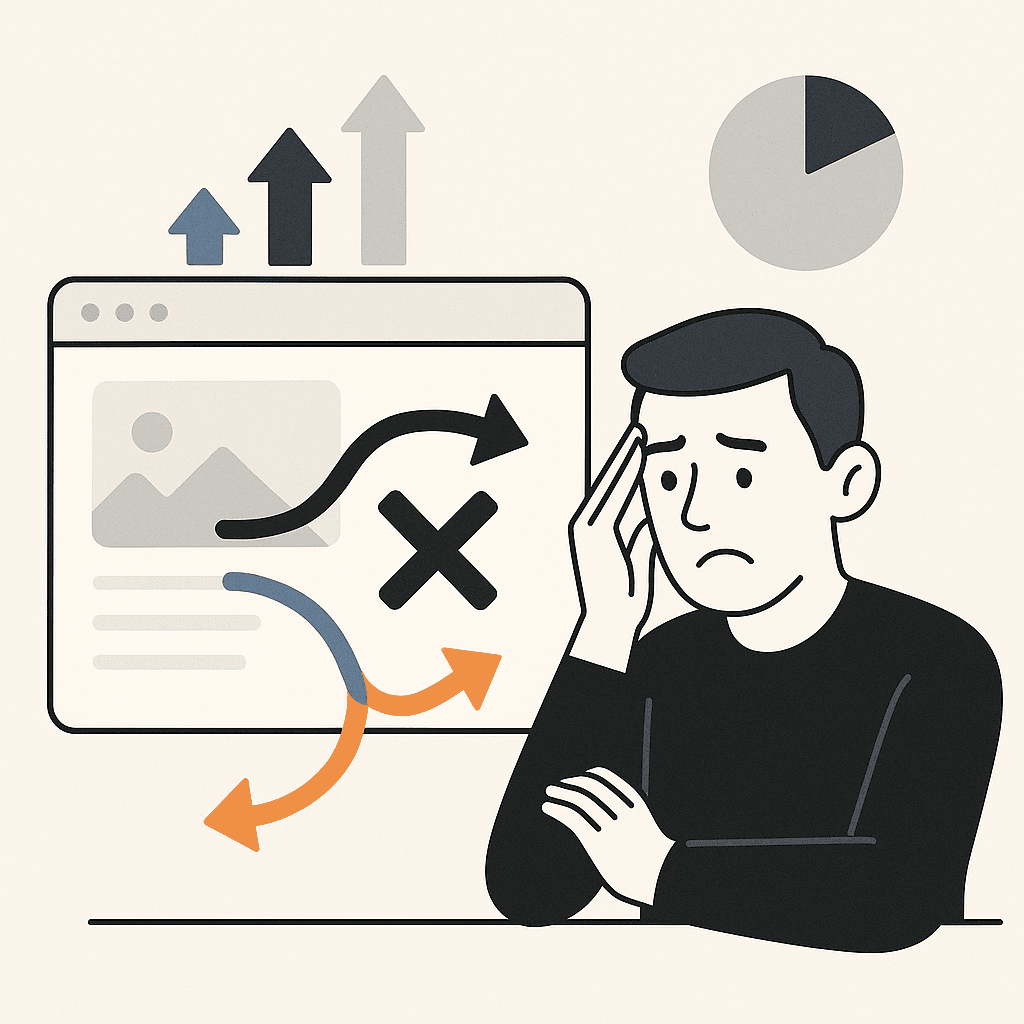
Your homepage gets traffic. Maybe a lot of it. Campaigns point there. Referrals land there. Branded searches arrive there. But conversions are low, and no one can explain why.
The usual response is to redesign. Add more sections. Try different headlines. Move the CTA higher. But these fixes rarely work because they're solving the wrong problem. Homepages fail to convert not because of design, but because they're trying to do too many jobs at once.
A homepage that tries to serve everyone ends up serving no one clearly. That's the structural problem, and no amount of polish will fix it. This is one of the common page-role failures that explains why websites get traffic but no leads.
The Default Mistake: Sending Everyone to the Homepage
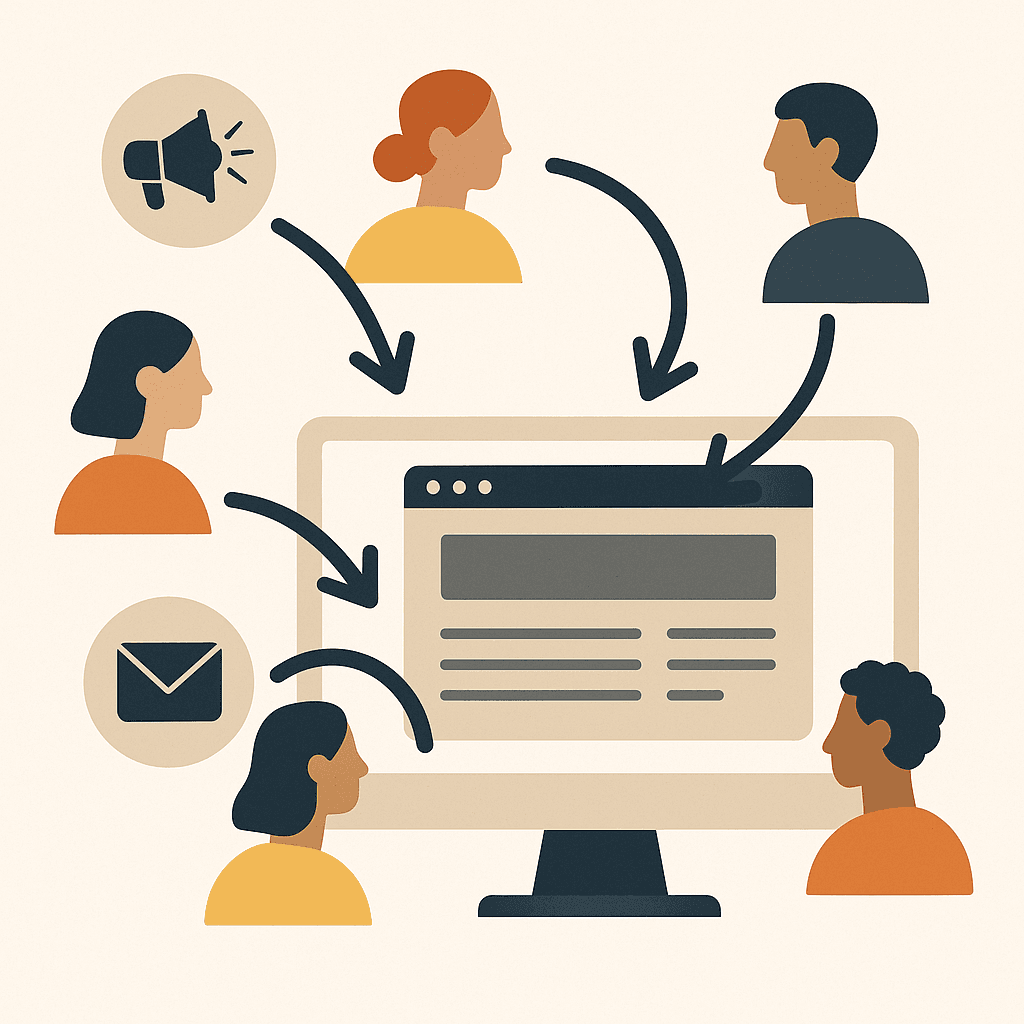
Most sites treat the homepage as the default destination. Paid campaigns point there. Email links go there. The team shares it as the "main" page. But this creates a problem: different visitors arrive with different intents, and they all see the same thing.
A first-time visitor from a cold ad needs to understand what you do. A returning visitor who's been on the site before needs to move forward. A comparison shopper needs help choosing. A branded searcher just needs to find what they're looking for. When they all land on the same page, the page has to hedge. It can't go deep on any single path because it's trying to serve all of them at once.
The result is vague messaging, scattered proof, and a CTA that doesn't quite fit anyone.
What a Homepage Is Actually For
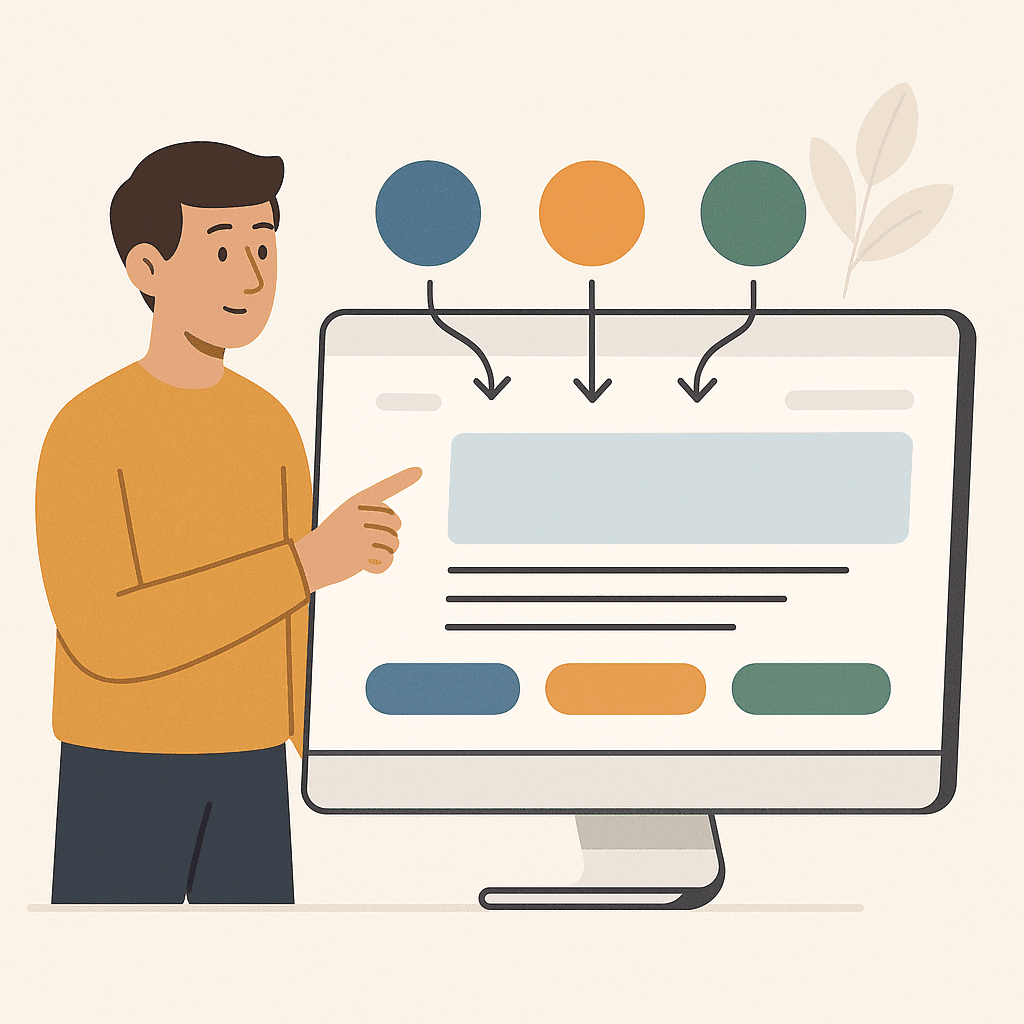
A homepage isn't a landing page. It's not optimized for one action from one audience. It's a router, a place where different visitors can orient and choose their path.
The job of a homepage is to establish what you do (in seconds), help visitors identify which path is for them, build enough trust to take the next step, and route people to the right destination. That's different from capturing a lead or closing a sale. Those jobs belong to pages optimized for specific intents. The homepage's job is to get people to those pages.
When teams treat the homepage like a conversion page, they overload it with CTAs and try to extract action from visitors who aren't ready. That pressure creates the opposite effect. Visitors leave because the page doesn't help them with what they actually came to do.
The Real Failure: Too Many Intents on One Page
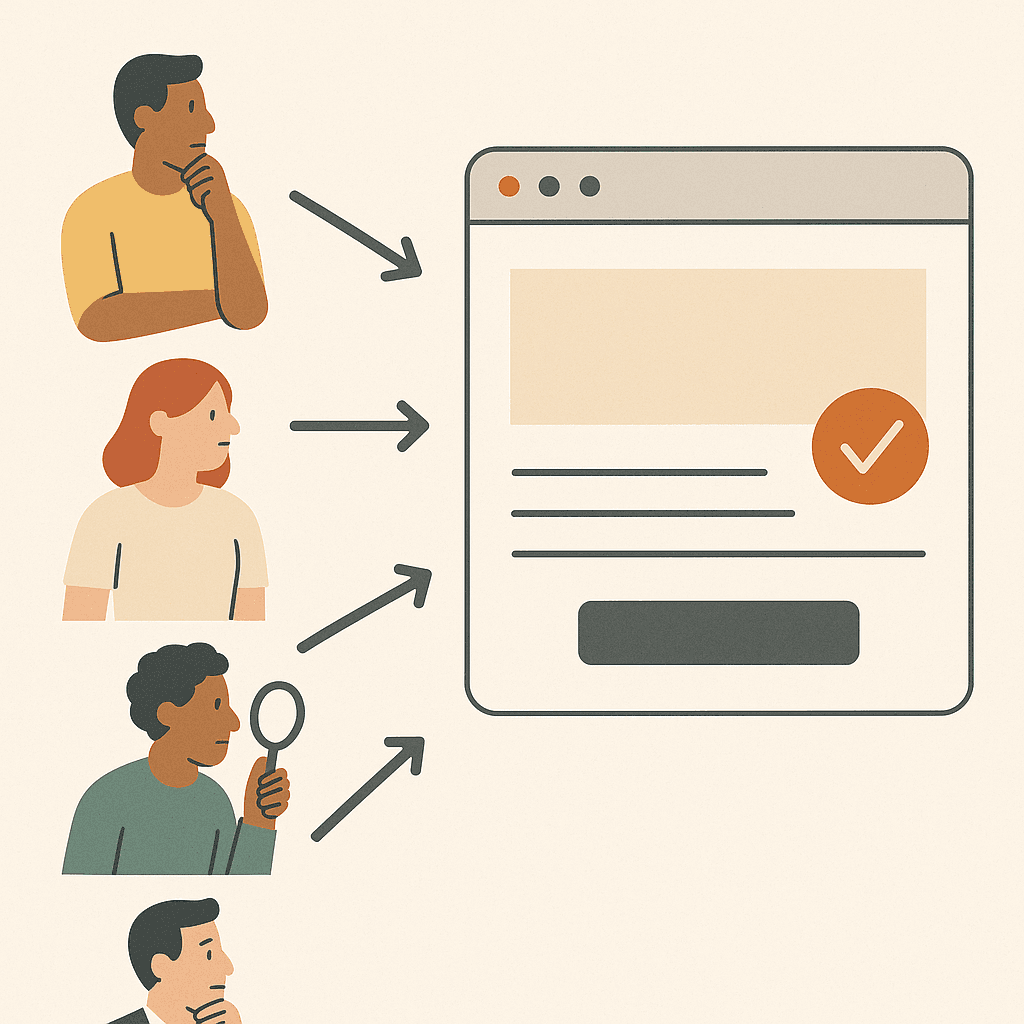
The deeper problem is that homepages serve mixed intent by design. New visitors, returning visitors, researchers, and decision-makers all land in the same place. And each group needs something different.
New visitors need clarity. What is this? Who is it for? Why should I care? Returning visitors need progression. I've been here before. What's next? Comparison shoppers need differentiation. How is this different from alternatives? Decision-ready visitors need a path to action. Where do I go to start?
A homepage that speaks to all of them ends up speaking clearly to none. The messaging becomes generic. The proof becomes scattered. The CTA becomes a guess.
Why Stakeholders Keep "Adding" Instead of Deciding
This problem gets worse over time. Every team wants their priority on the homepage. Sales wants leads. Marketing wants brand. Product wants features. Support wants resources.
So the homepage grows. More sections. More links. More competing priorities. Each addition makes the page feel busier and less decisive. The visitor has more to look at but less help making a decision.
The fix isn't to add more. It's to decide who the homepage is for, and accept that other visitors need different destinations.
When a Homepage Should Convert (And What "Convert" Means)
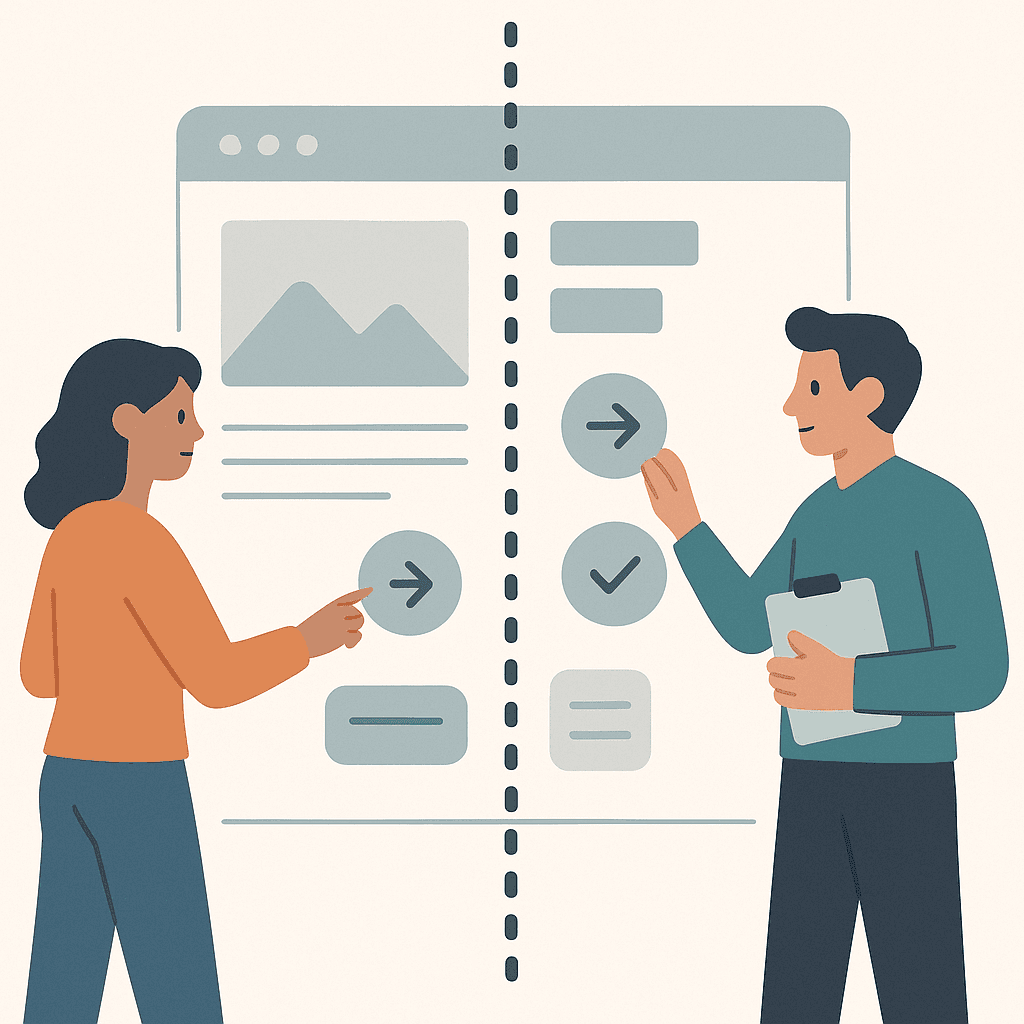
A homepage can convert, but the conversion should match the visitor's stage.
For a first-time visitor, "conversion" might mean clicking to a product page or learning more about a specific problem. For a returning visitor, it might mean starting a trial or booking a call. These are different actions for different intents.
The mistake is defining homepage conversion as one thing (usually the biggest ask) and optimizing for that. If "Book a Demo" is the only CTA and most visitors aren't ready for it, the homepage will always underperform.
A better model: define the homepage's job as moving visitors to the right next step, whatever that step is. For some, it's learning more. For others, it's comparing options. For a few, it's starting a conversation. The homepage succeeds when it helps each visitor find their path.
A Better Model: Match Traffic Source to Page Role
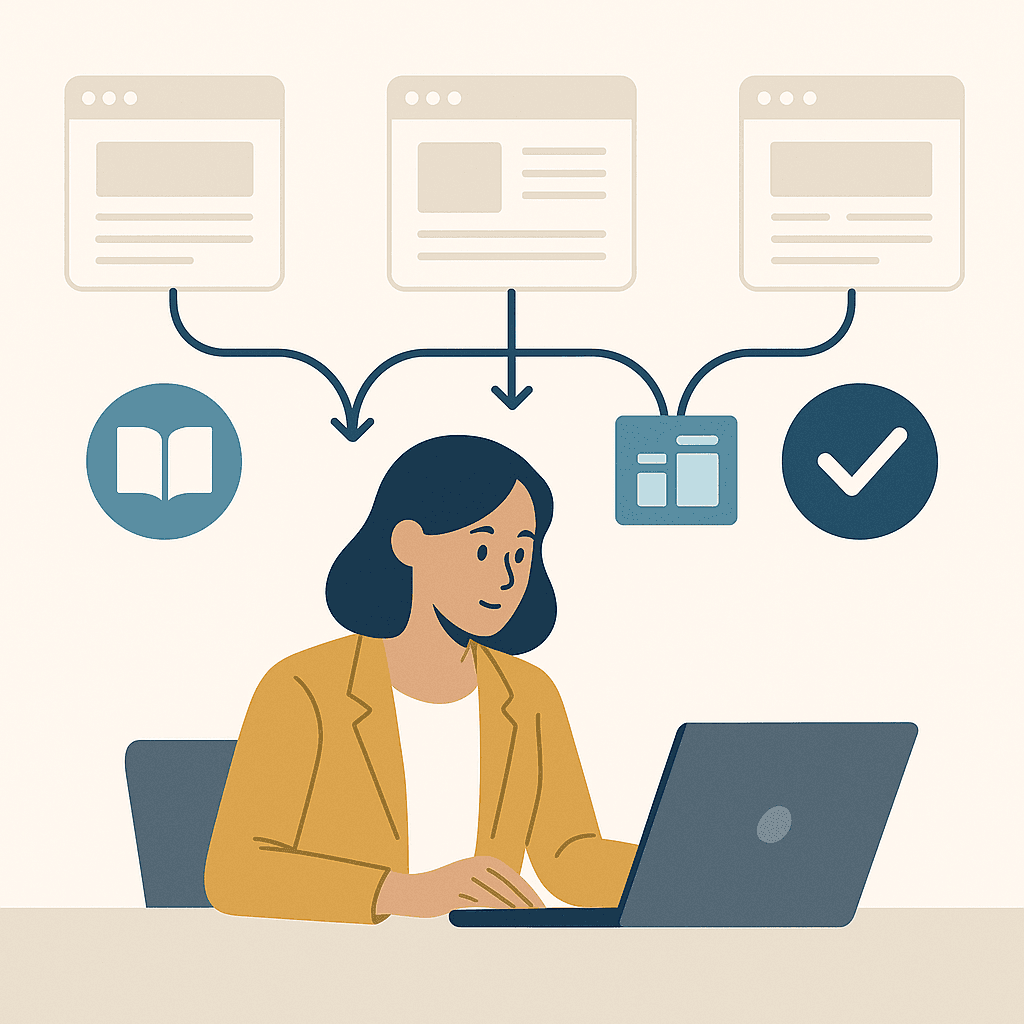
If you're running paid campaigns, don't send everyone to the homepage. Match traffic sources to pages that fit their intent.
Educational traffic (problem-aware, not solution-aware) should go to pages that teach. Comparison traffic should go to pages that differentiate. Decision-ready traffic should go to pages that capture.
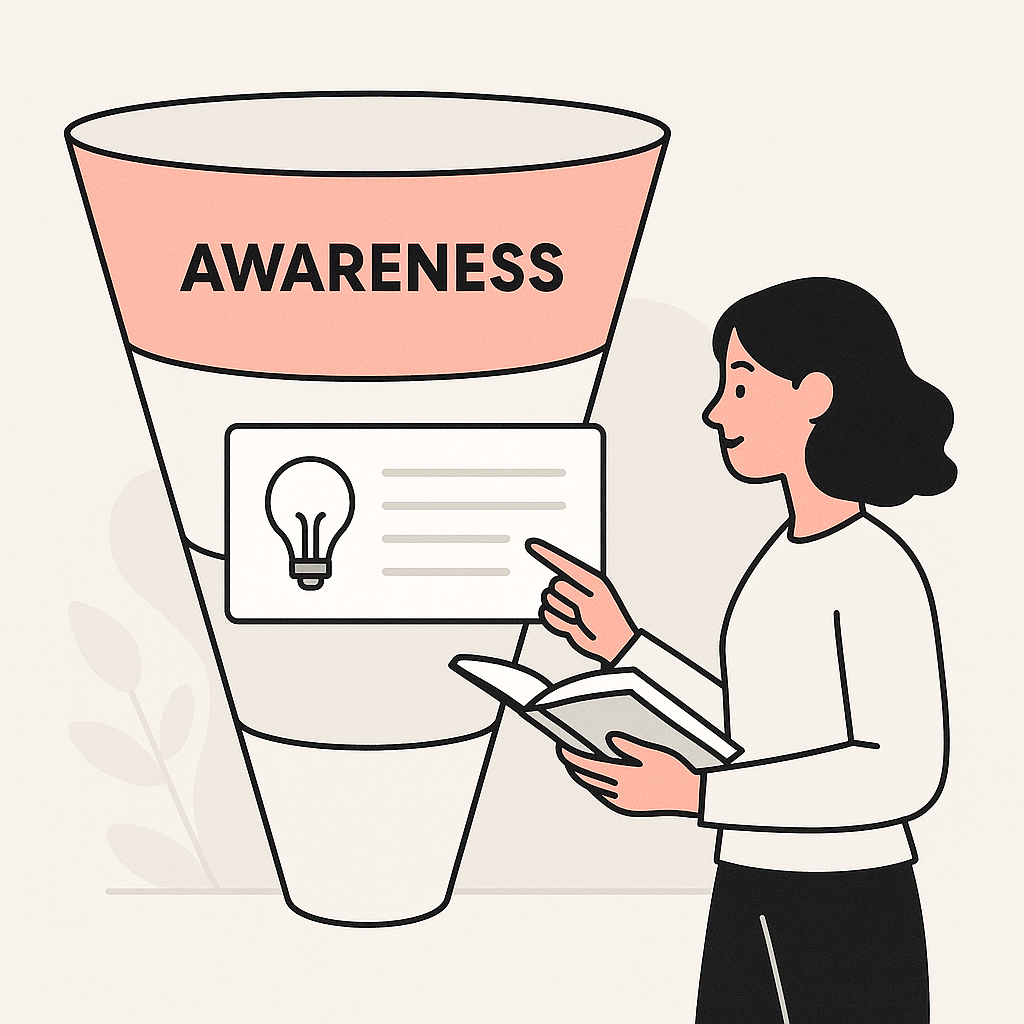
The homepage can still exist for branded traffic, referrals, and organic visitors who arrive without specific intent. But for paid traffic with known intent, the homepage is rarely the right destination. Sending everyone there is routing traffic to the one page least equipped to serve specific needs. For more on adapting content by funnel stage, see our guide.
Getting Started: Stop Measuring the Homepage Like a Landing Page

Rethink your homepage's job
- Identify your top homepage traffic sources. Where are visitors coming from?
- Write the intent for each source. What decision is each group trying to make?
- Check for routing mismatches. Are you sending specific-intent traffic to a generic page?
- Create intent-specific destinations. For each major source, build or identify a page that matches that intent.
- Redefine homepage success. Measure routing and progression, not just final conversions.
- Simplify the homepage. If it's trying to do too many jobs, remove the jobs that belong elsewhere.